Станки с ЧПУ

Приводы и механизмы позиционирования с прямым углом наклона, где важны жесткость крепления и люфт.
Инструкция по применению →Для проектов, предназначенных для Германии, подготовьте комплект чертежей в метрической системе, укажите статус изменений, требования к материалам и термообработке, качество обработки поверхности зубьев и протоколы контроля качества, которые должны прилагаться к заказу.
Для станков с ЧПУ, систем автоматизации и промышленных приводов часто выгодно использовать пакет предложений, в котором четко разграничиваются утверждение прототипа и серийное производство.
Если чертеж был преобразован из другой системы единиц измерения, сохраните исходные значения параметров и укажите, как производилось преобразование. При замене деталей добавьте размеры сопрягаемого компонента и корпуса, а не полагайтесь на одну изношенную шестерню.
| Информационная группа | Рекомендуемый контент |
|---|---|
| Управление чертежом | Текущая редакция, исходные единицы измерения, номер сопрягаемого элемента и любые утвержденные примечания об изменениях. |
| Пара шестерен | Соотношение/количество зубьев, направление вращения, угол наклона вала, расстояние между крепежными элементами/люфт и идентификация пары. |
| Интерфейсы | Отверстие, шпоночный паз, шлицы, вал, подшипник и корпус — базовые точки, определяющие местоположение компонента. |
| Долг | Скорость, крутящий момент/спектр нагрузки, реверсирование, удары, условия эксплуатации и смазка. |
| Качество | Требуемая чистота обработки поверхности зуба, применимые критерии приемки и протоколы проверок. |
| Коммерческий | Прототипные/повторные партии, потребность в образцах, место назначения и предпочтительные условия Инкотерм. |
При работе с чертежами немецких производителей оригинального оборудования (OEM) или компаний, занимающихся техническим обслуживанием и ремонтом (MRO), сохраняйте контролируемые размеры в исходной системе единиц и указывайте преобразования только для удобства коммуникации. При использовании старого номера детали или образца для идентификации добавьте текущие размеры и данные о сопряженных парах, чтобы ценовое предложение не зависело исключительно от устаревшего номера.
При выполнении работ по индивидуальному заказу наиболее понятным способом контроля заказанной конфигурации остается утверждение изменений в чертеже.
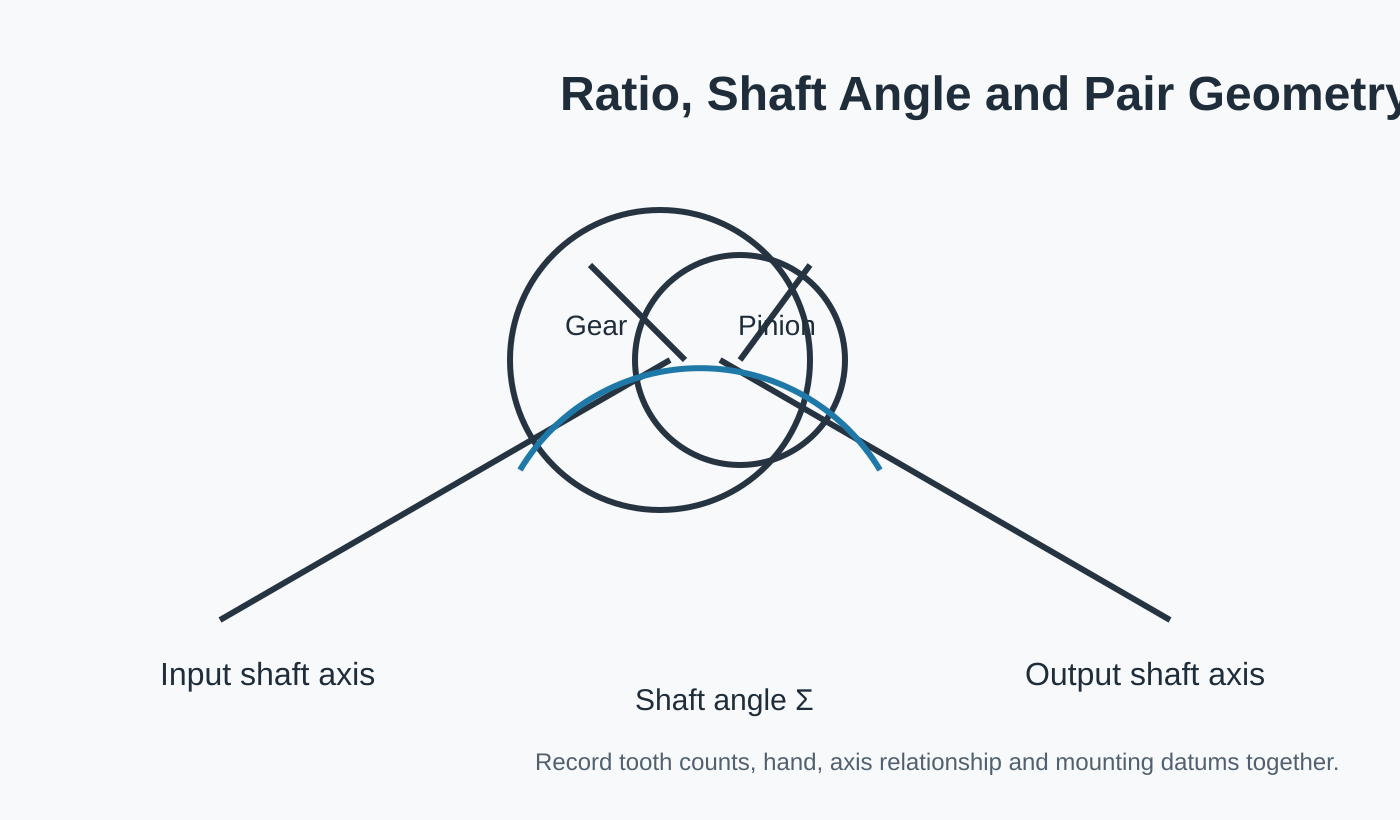
Приводы и механизмы позиционирования с прямым углом наклона, где важны жесткость крепления и люфт.
Инструкция по применению →
Компактные механизмы с пересекающимися осями, отвечающие требованиям к реверсивному режиму работы и повторяемости.
Инструкция по применению →
Передача данных с изменением направления движения вокруг портальных конструкций и автоматизированного позиционирующего оборудования.
Инструкция по применению →
Механизмы повышенной прочности, требующие проверки на ударопрочность, пуск/остановка и конструкция опоры.
Инструкция по применению →
Компактные прецизионные системы с контролируемыми базовыми элементами, биением и контактными требованиями.
Инструкция по применению →
Секции редуктора, передающие крутящий момент через пересекающиеся валы.
Инструкция по применению →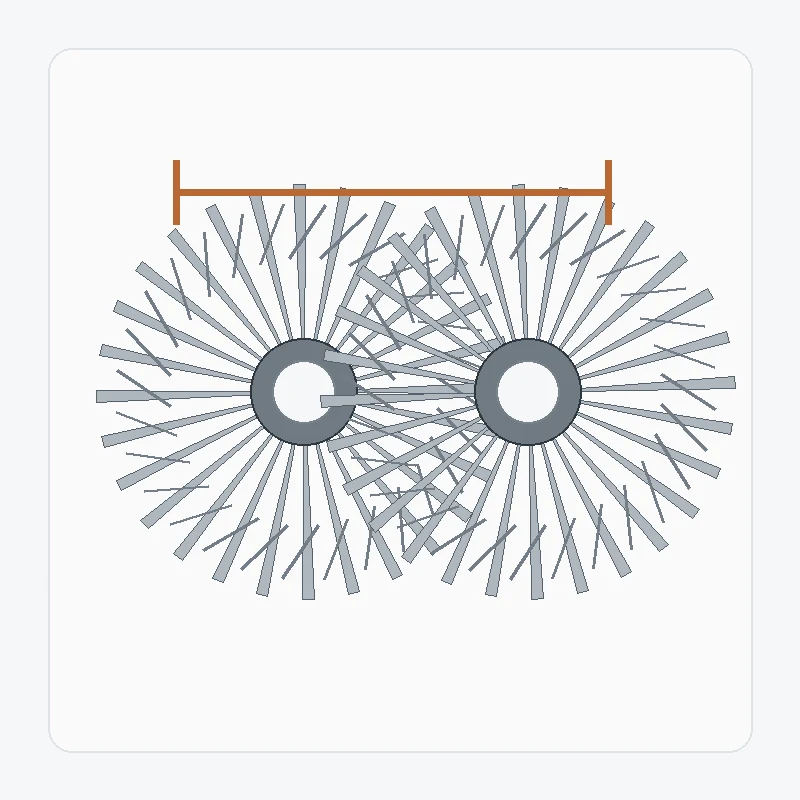
Замена конических зубчатых передач начинается с отделения исходной конструктивной информации от износа в процессе эксплуатации. Поврежденный зуб, деформированное отверстие или смещенный рисунок контакта могут описывать причину неисправности, но…
Просмотреть конфигурацию →
При эксплуатации высокопрочной конической зубчатой передачи необходимо проводить комплексную проверку всех режимов работы. Пиковая нагрузка, постоянная нагрузка, ударные нагрузки, реверсы, поддержка подшипников и смазка — все это имеет значение…
Просмотреть конфигурацию →
Интеграция конической шестерни со спиральным валом уменьшает количество отдельных соединений, но при этом подшипниковые шейки, буртики, шлицы, резьба и базовые точки зубьев объединяются в единую производственную задачу.
Просмотреть конфигурацию →
В зубчатой передаче со спиральным косым срезом используется одинаковое количество зубьев для передачи движения между пересекающимися валами без преднамеренного изменения передаточного отношения. Равное передаточное отношение упрощает один из аспектов выбора…
Просмотреть конфигурацию →
Шлифовка конических зубчатых передач со спиральной осью требует большего, чем просто добавление шлифовки к обычной шестерне. Схема базовых элементов, геометрия до шлифовки, термообработка, припуск на шлифовку и окончательная проверка…
Просмотреть конфигурацию →
Комплект конических зубчатых передач со спиральной зубчатой передачей изготавливается на основе геометрии, специфичной для конкретного проекта, а не из общедоступной таблицы стандартных параметров. Полезное определение включает в себя оба элемента пары, ось…
Просмотреть конфигурацию →При планировании запроса на коммерческое предложение минимальный объем заказа (MOQ) является гибким и зависит от формы продукта, способа обработки и общей стоимости заказа. Для новых проектов могут быть рассмотрены варианты заказа от 1 до 5 образцов по цене образцов. Различные модели могут быть объединены, если общая сумма заказа достигает примерно 1500 долларов США. Заказы от 1 до 2 единиц также могут быть рассмотрены, обычно по более высокой себестоимости за единицу, поскольку подготовка и контроль качества распределены на очень небольшое количество.
Для планирования доставки по запросу, типичные сроки составляют 10–25 рабочих дней для стандартных деталей, 20–45 рабочих дней для компонентов, изготовленных по индивидуальному заказу, и 45–120 рабочих дней для оборудования или узлов проектного типа. Обычно поддерживаются условия поставки EXW, FOB, CIF и DAP; условия FCA, CFR, CPT, CIP и DDP могут быть обсуждены в зависимости от конкретной отгрузки и места назначения.
Чем четче определены точки сопряжения и параметры сборки, тем быстрее можно будет проверить конфигурацию.
Минимальный объем заказа (MOQ) может быть гибким и зависеть от типа продукции, способа производства и общей стоимости заказа. Для новых проектов, соответствующих требованиям, может быть запрошено от 1 до 5 образцов по цене образцов. При общей сумме заказа около 1500 долларов США возможно объединение нескольких моделей. Заказы от 1 до 2 единиц могут быть рассмотрены, хотя стоимость за единицу обычно выше.
Типичные сроки планирования составляют 10–25 рабочих дней для стандартных деталей, 20–45 рабочих дней для компонентов, изготовленных по индивидуальному заказу, и 45–120 рабочих дней для оборудования или узлов проектного типа. Обычно поддерживаются условия поставки EXW, FOB, CIF и DAP; условия FCA, CFR, CPT, CIP и DDP могут быть согласованы отдельно.