
描画制御
歯の形状、接合部、材料要件、および受入に関する注記については、最新の図面改訂版を使用してください。
spiralgears.topの製品ラインナップは、カスタムマッチングセット、研磨歯形、マイター配置、ピニオンシャフト、高耐久性ペア、交換部品など多岐にわたります。正確な形状はプロジェクトごとに異なります。図面の代わりとしてサポートされていない既製サイズを提示したり、未知の既存の相手部品が自動的に互換性があると示唆したりすることはありません。
これにより、最初の技術的な話し合いがより有益なものになります。購入者は手持ちの情報を送信し、不明な点を明記することで、一般的な製品ラベルではなく、実際の製品構成に基づいて見積もりを作成できます。
歯の形状、接合部、材料要件、および受入に関する注記については、最新の図面改訂版を使用してください。
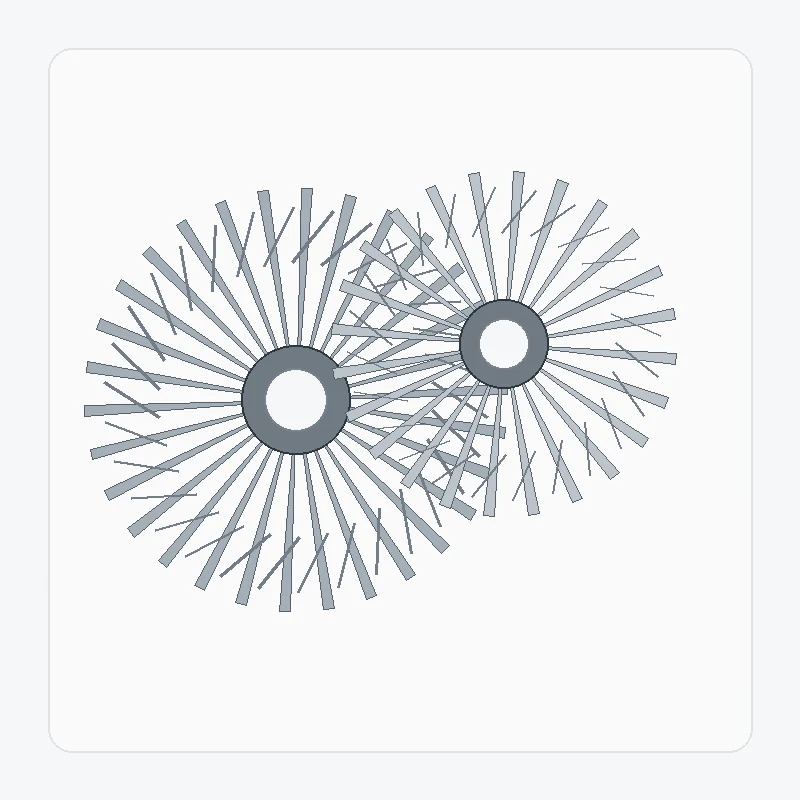
手作業、接触、または交換時の互換性が重要な場合は、ギアとピニオンを嵌合関係として扱ってください。
取り付け距離、バックラッシュ、およびインターフェースを、定義されたシャフト、ベアリング、またはハウジングの基準点に接続します。
購入者が注文された構成を受け入れるために使用する寸法およびギア関連のチェック項目について合意する。
一般的なプロジェクトの流れは、図面またはサンプルのレビューから始まり、製造可能性の検討、ブランクおよび基準面の計画、歯車切削、指定箇所における熱処理、歯面仕上げ、インターフェース仕上げ、最終検査へと進みます。具体的な手順は注文された構成によって異なりますが、重要なのは、ある段階での変更が、後々必要となる基準を意図せず損なわないようにすることです。
交換作業においては、摩耗によって元の形状が隠れてしまう可能性があるため、早期の識別が特に重要です。適合部品、過去の図面、組立寸法などを参考にすることで、設計意図と使用による損傷を区別することができます。
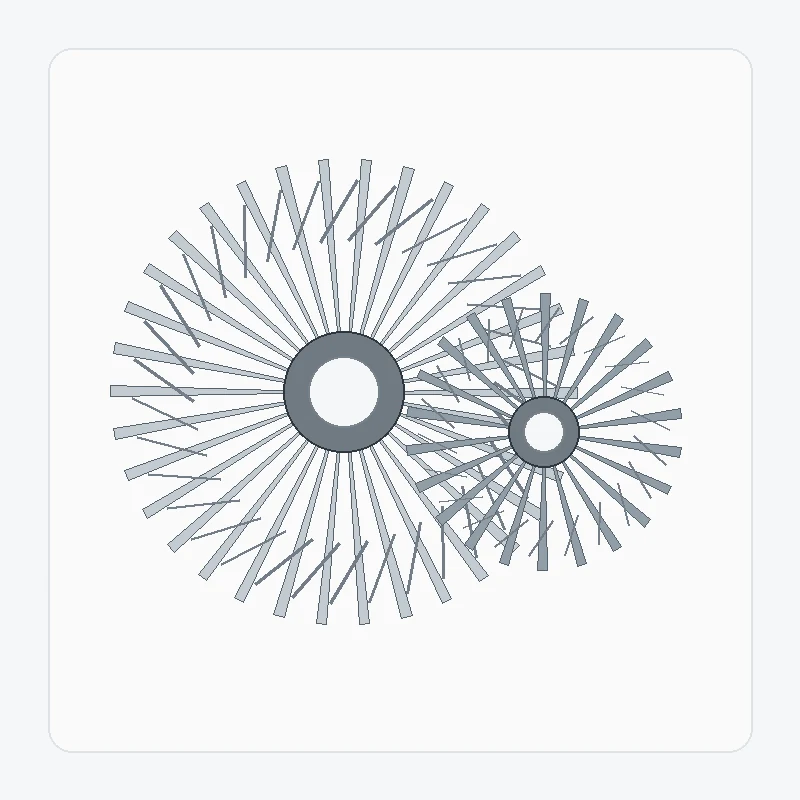
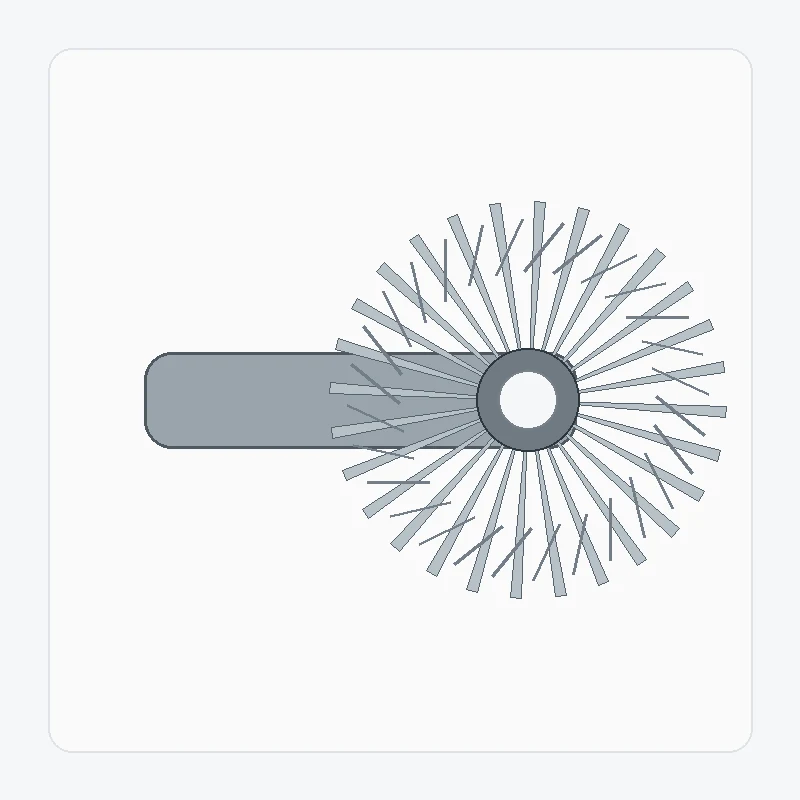
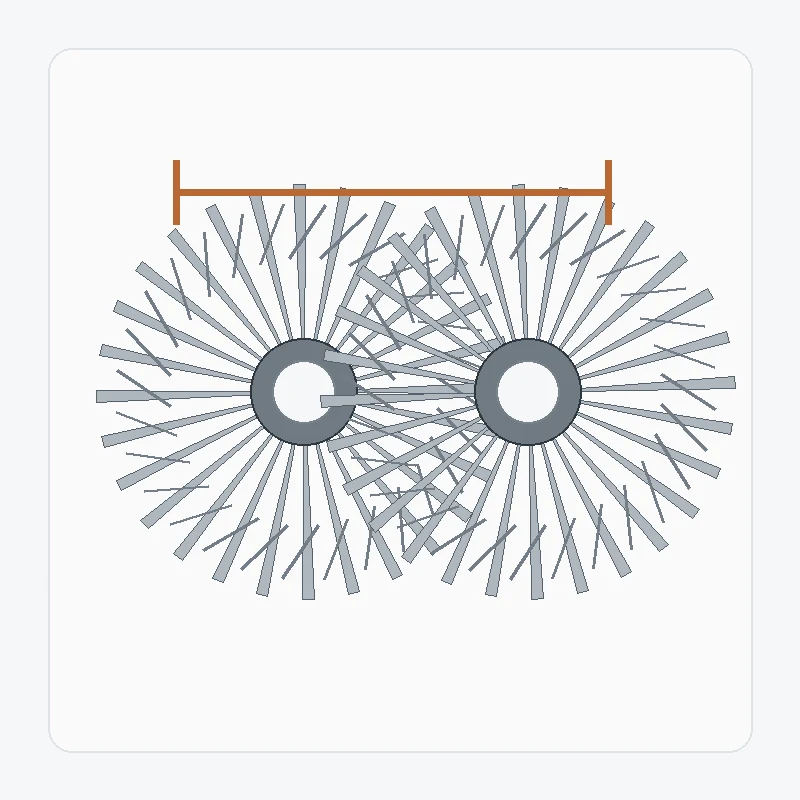
用途としては、CNC工作機械、自動化システム、ガントリー装置、昇降機構、精密機械、産業用ギアボックスなどが挙げられます。アプリケーションページは、使用条件や統合条件を記載するためのものであり、製品図面の代わりとなるものではありません。
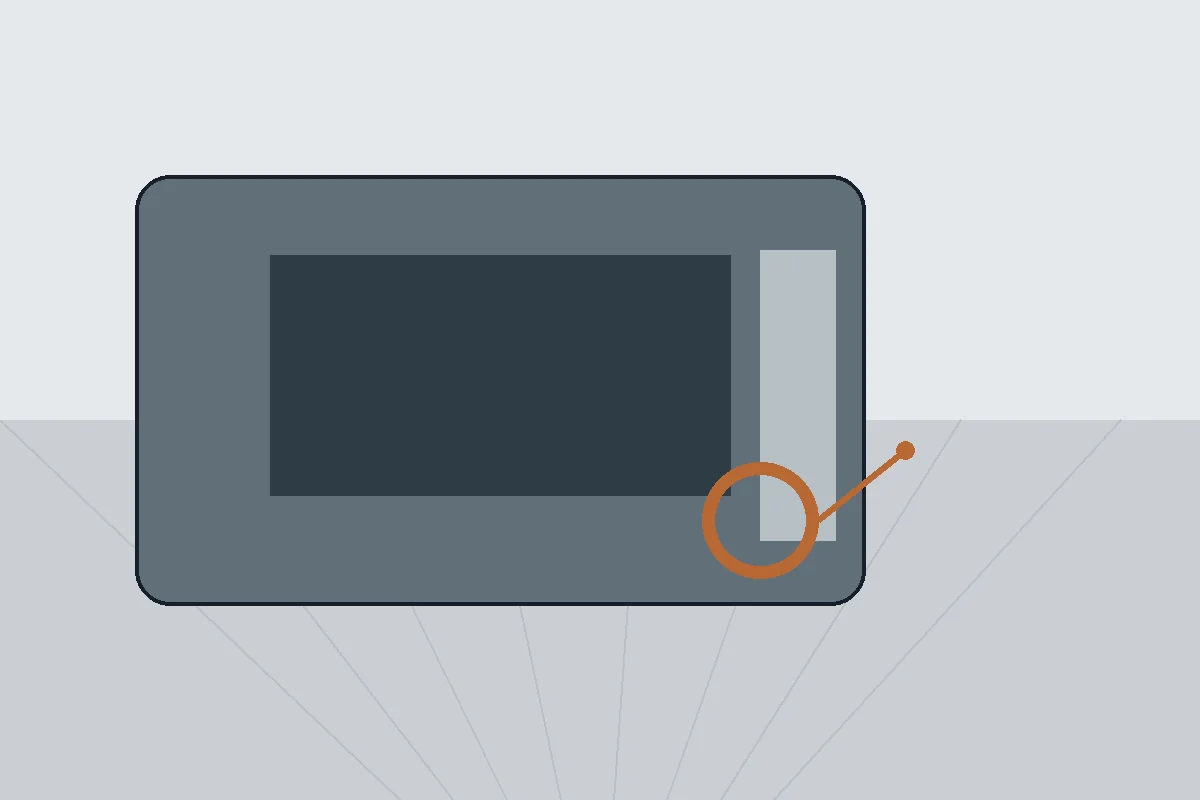



数量、サンプル必要量、納期、配送先、取引条件は、製造および物流計画に影響を与えます。これらの情報は、形状の見積もり後ではなく、技術データとともに送付してください。これにより、試作品、保守交換品、再生産プロジェクトを容易に区別できます。
質問は直接こちらまでお送りください [email protected]図面やサンプル資料は、見積依頼書(RFQ)フォームから添付できます。
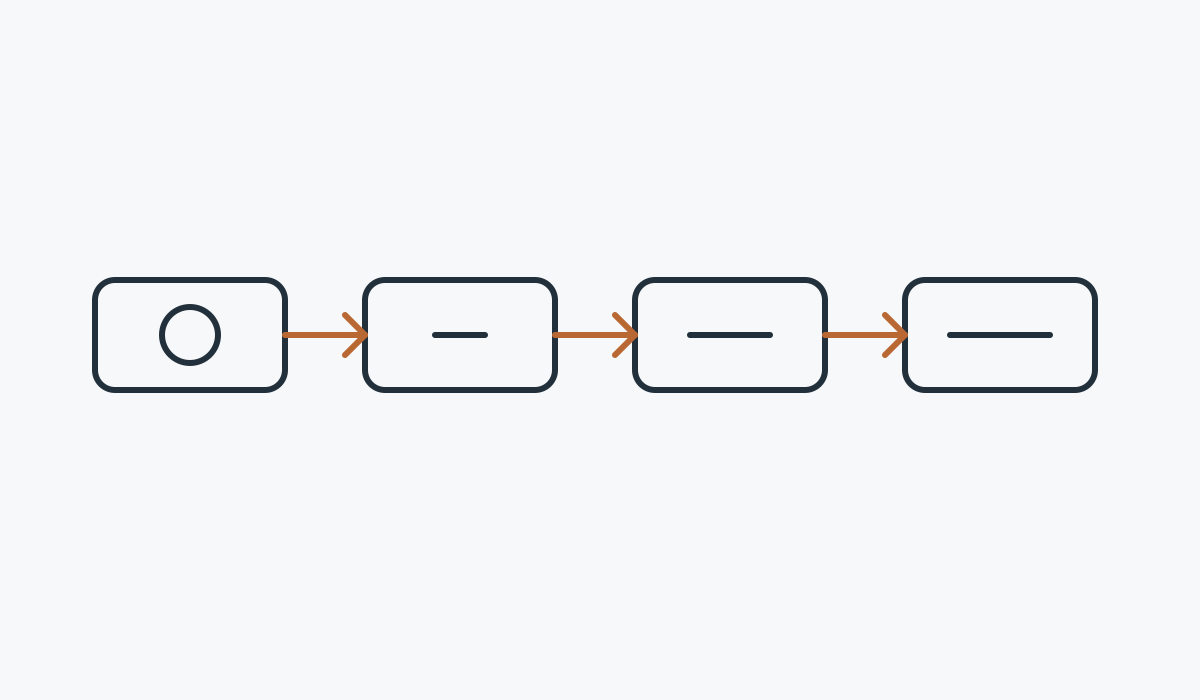
見積もり依頼の計画段階では、最小発注数量(MOQ)は柔軟に対応可能で、製品形態、加工方法、および注文総額によって異なります。適切な新規プロジェクトについては、サンプル価格で1~5個のサンプル品を検討できます。注文総額が約1,500米ドルに達すると、異なるモデルを組み合わせることができます。1~2個の注文も検討可能ですが、セットアップと検査が少量に分散されるため、通常は単価が高くなります。
お見積もり依頼の際の納期は、標準部品の場合は通常10~25営業日、特注部品の場合は20~45営業日、プロジェクト型機器または組立品の場合は45~120営業日です。EXW、FOB、CIF、DAPは一般的に対応可能ですが、FCA、CFR、CPT、CIP、DDPについては、具体的な出荷内容と仕向地に応じてご相談いただけます。
接合関係と組立基準が明確に定義されていればいるほど、構成の確認は迅速に行える。
最小発注数量(MOQ)は、製品の種類、製造方法、および注文総額によって柔軟に対応可能です。適切な新規プロジェクトでは、サンプル価格で1~5個のサンプルを注文できます。注文総額が約1,500米ドルに達した場合、複数のモデルを組み合わせることができます。1~2個の注文も検討可能ですが、通常は単価が高くなります。
標準部品の一般的な納期は10~25営業日、特注部品は20~45営業日、プロジェクト型機器または組立品は45~120営業日です。EXW、FOB、CIF、DAPは一般的に対応可能ですが、FCA、CFR、CPT、CIP、DDPについてはご相談ください。