Die Beschreibungen für rechte und linke Seite sind Teil der Passungsbeziehung und keine rein dekorativen Etiketten. Ein Spiralwinkelpaar ist so konstruiert, dass die beiden Teile hinsichtlich der vorgesehenen Händigkeit, des Übersetzungsverhältnisses, des Wellenverhältnisses und der Montageposition ineinandergreifen. Wird eines dieser Merkmale ohne definierte Darstellungskonvention angegeben, kann eine Angebotsanfrage schnell missverständlich werden.
Zeichnen Sie die Handbewegungen beider Mitglieder mit einer festgelegten Blickrichtung auf.
Fotografieren oder skizzieren Sie Zahnrad und Ritzel von einer bekannten Seite und kennzeichnen Sie die Blickrichtung. Falls die Originalzeichnung eine handschriftliche Kennzeichnung enthält, behalten Sie diese in der überarbeiteten Zeichnung bei. Stellen Sie bei Austauscharbeiten nach Möglichkeit beide Bauteile vor der Demontage zusammen dar.
Ziel ist es nicht, dem Lieferanten eine allgemeine Benennungsregel beizubringen, sondern sicherzustellen, dass Ihr spezifisches Paar nicht falsch gelesen werden kann.
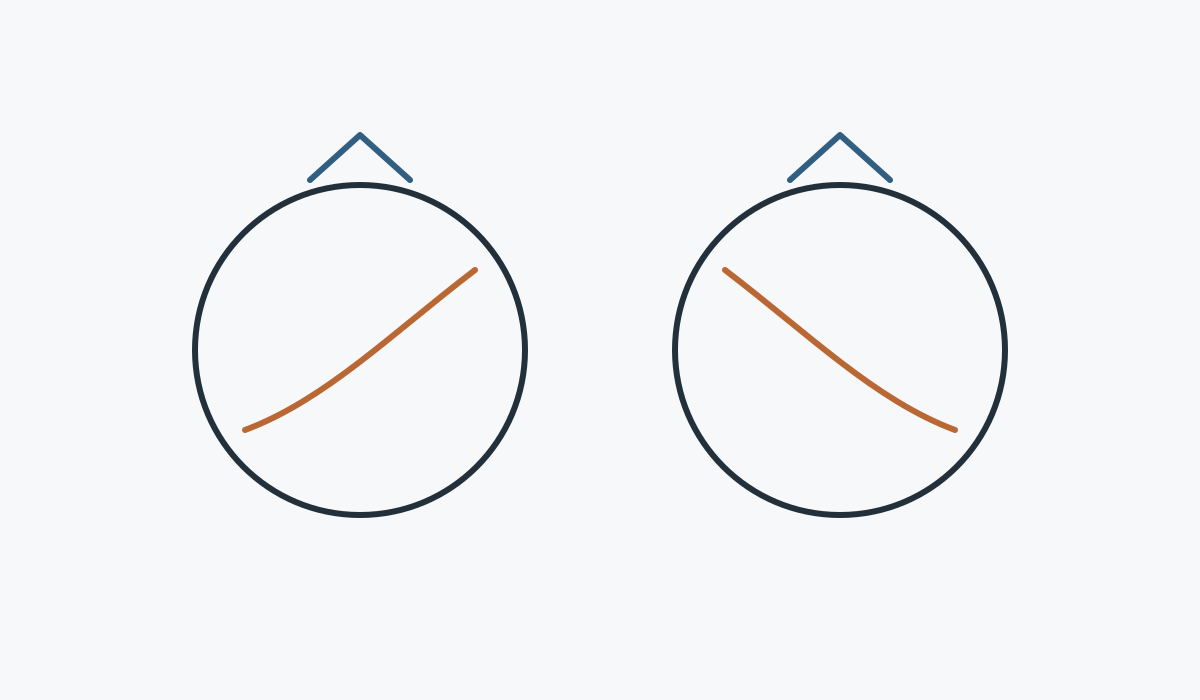
Die Hand ist nur ein Teil der Paardefinition
| Paarvariable | Frage zur Beantwortung |
|---|---|
| Hand-/Spiralrichtung | Wie ist jedes Mitglied zugeordnet und aus welcher Blickrichtung? |
| Verhältnis / Anzahl der Zähne | Wie viele Zähne haben Zahnrad und Ritzel? |
| Wellenwinkel | Wie groß ist der eingeschlossene Winkel zwischen den beiden Achsen? |
| Montageposition | Auf welchen Flächen oder Achsen sind die einzelnen Bauteile im Gehäuse positioniert? |
| Gegenreaktion | Gibt es einen festgelegten Betriebs- oder Montagebereich? |
Durch die Rotation ändert sich, welche Zahnflächen die Last tragen.
Die aktive Kontaktfläche hängt von der Drehrichtung und dem antreibenden Element ab. Falls die Maschine regelmäßig die Drehrichtung ändert, geben Sie dies bitte in den Anwendungsdaten an. Dies kann Einfluss darauf haben, wie der Käufer die Inspektion oder Bewertung des Paares in der Baugruppe wünscht.
Die Lastrichtung darf nicht aus einem einzelnen statischen Foto abgeleitet werden. Beschreiben Sie die Wirkungsrichtung oder fügen Sie eine Montagezeichnung bei.
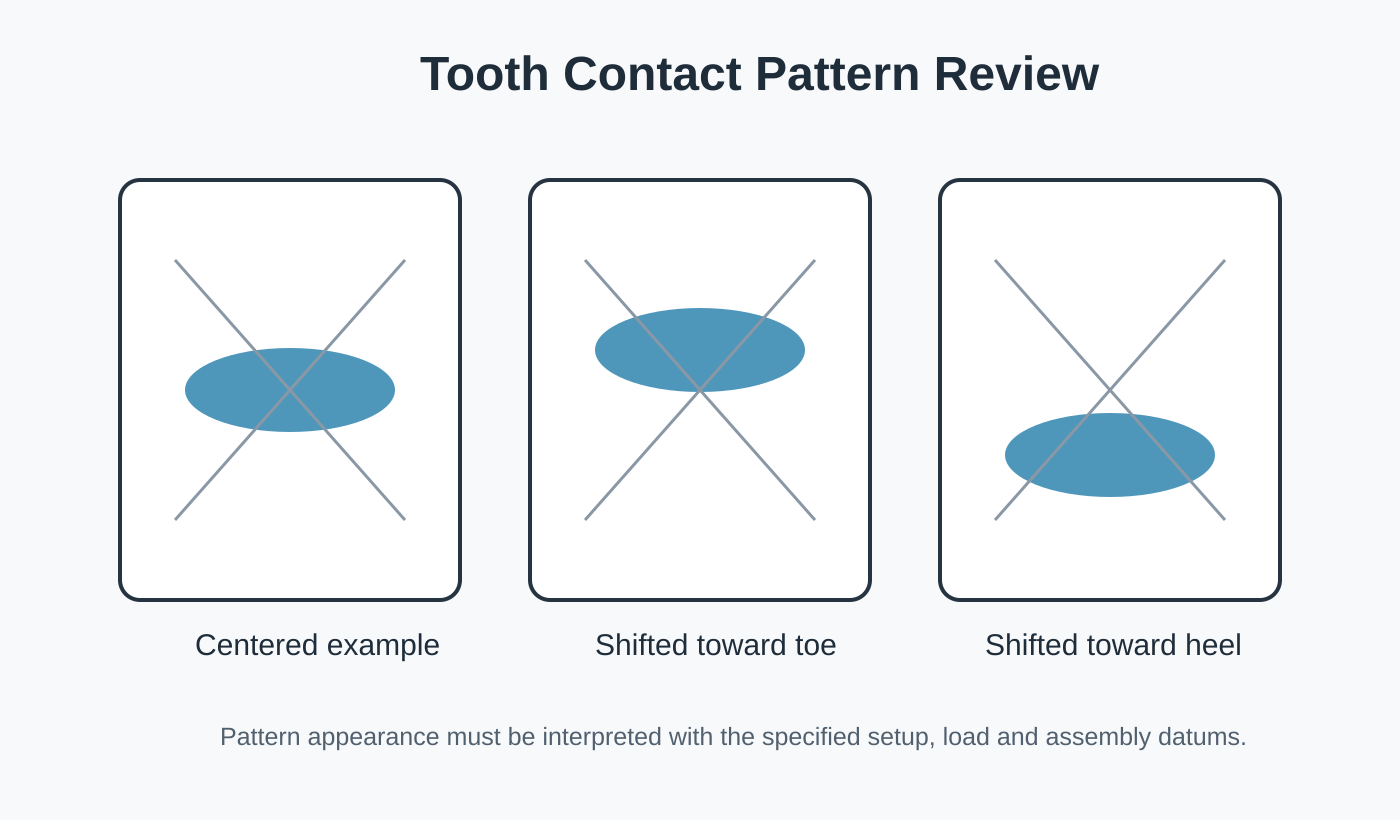
Für den Austausch wird das passende Zahnrad benötigt.
Ein verschlissenes einzelnes Zahnrad kann zwar noch die Zähnezahl und den Drehwinkel erkennen lassen, gibt aber nicht automatisch die vollständige ursprüngliche Geometrie preis. Die Gegenstücke, Gehäuseabmessungen, ältere Zeichnungen oder ein ungenutztes Referenzteil können Informationen liefern, die durch den Verschleiß verdeckt wurden. Wird nur ein Zahnrad ausgetauscht, muss dessen Beziehung zum verbleibenden Zahnrad vor der Fertigung überprüft werden.
Was der Anfrage beizufügen ist
Fügen Sie aussagekräftige Fotos zur Ausrichtung, die Zähnezahlen beider Zahnräder, die Originalteilenummer, den Wellenwinkel, das Gegenstück sowie die Zeichnungs- oder Gehäusereferenzen zur Bestimmung der Zahnradposition bei. Kennzeichnen Sie unbekannte Teile als unbekannt, anstatt allein aufgrund des Aussehens eine Montageart oder einen Montagewert anzugeben.
Häufige Fehler bei der Handidentifizierung
Drei Fehler treten bei Ersatzteilanfragen immer wieder auf. Erstens wird nur ein Bauteil beschriftet, ohne das Gegenstück anzugeben. Zweitens wird die Hand aus einer undefinierten Blickrichtung angegeben. Drittens wird fälschlicherweise angenommen, dass die Drehrichtung die Hand automatisch definiert. Diese Konzepte sollten getrennt betrachtet werden: Die Zahnstellung muss erfasst, die Blickrichtung angegeben und die Drehrichtung als Anwendungsinformation beschrieben werden.
Wenn mehrere Fotos zur Verfügung gestellt werden, kennzeichnen Sie eines davon als Referenzansicht und beschriften Sie Zahnrad und Ritzel einheitlich. Eine kurze Anmerkung auf dem Foto ist oft hilfreicher als eine lange Beschreibung in einer E-Mail.
Fragen, die Käufer häufig stellen
Können die Gänge für die rechte und linke Seite vertauscht werden?
Gehen Sie nicht davon aus, dass dies möglich ist. Das Zahnpaar ist auf eine bestimmte Zahnstellung und Passung ausgelegt. Überprüfen Sie beide Teile und die Zeichnung, bevor Sie die Hand wechseln.
Benötigt die Umkehrung der Drehrichtung ein anderes Zahnradpaar?
Nicht automatisch. Durch die Richtungsänderung ändert sich, welche Zahnflächen die Last tragen, daher sollte der Betriebszyklus Teil der Anwendungsprüfung sein.
Was passiert, wenn die ursprüngliche Handmarkierung fehlt?
Verwenden Sie das physische Paar, eine definierte Blickrichtung, klare Fotos und alle vorhandenen Zeichnungen, um die Ausrichtung festzulegen, bevor die Ersatzzeichnung genehmigt wird.
Senden Sie das Zahnradpaar, die Zeichnung und die Betriebsart in einer einzigen Angebotsanfrage.
Je klarer die Passungsbeziehung und die Montagebezugspunkte definiert sind, desto schneller kann die Konfiguration überprüft werden.
Bestell- und Lieferhinweise
Die Mindestbestellmenge (MOQ) ist je nach Produkttyp, Fertigungsweg und Gesamtbestellwert flexibel. Geeignete neue Projekte können 1–5 Musterstücke zum Musterpreis anfordern. Verschiedene Modelle können kombiniert werden, wenn der Gesamtbestellwert ca. 1.500 USD erreicht. Bestellungen von 1–2 Stück können geprüft werden, wobei die Stückkosten in der Regel höher sind.
Die üblichen Planungszeiträume betragen 10–25 Werktage für Standardteile, 20–45 Werktage für kundenspezifische Komponenten und 45–120 Werktage für projektbezogene Anlagen oder Baugruppen. EXW, FOB, CIF und DAP werden üblicherweise unterstützt; FCA, CFR, CPT, CIP und DDP können für den Versand individuell vereinbart werden.