
Drawing control
Use one current drawing revision for tooth geometry, interfaces, material requirements and acceptance notes.
EVER POWER works with industrial buyers that need spiral bevel gears reviewed as part of an assembly. The focus is practical: define the mating pair, keep drawing revisions controlled, connect the tooth geometry to the mounting datums, and agree how the finished parts will be inspected.

The product range on spiralgears.top covers custom matched sets, ground tooth configurations, miter arrangements, pinion shafts, heavy-duty pairs and replacement work. Exact geometry is project-specific. We do not present an unsupported stock size as a substitute for the drawing or imply that an unknown existing mate is automatically compatible.
This makes the first technical conversation more useful. Buyers can send the information they have, mark what is unknown, and build the quotation around the real assembly rather than a generic product label.
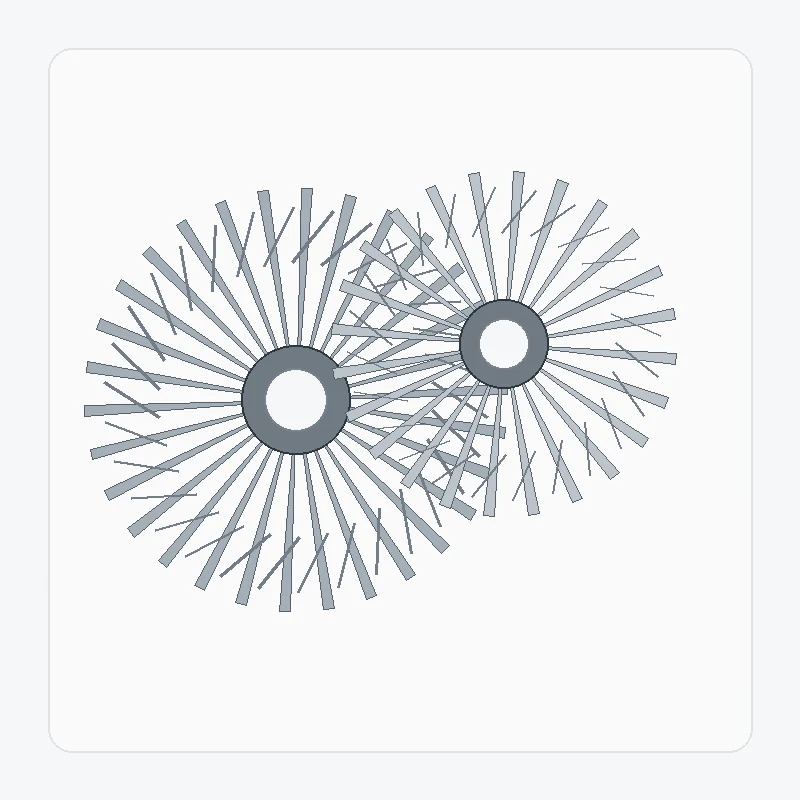
Use one current drawing revision for tooth geometry, interfaces, material requirements and acceptance notes.
Treat the gear and pinion as a mating relationship when hand, contact or replacement compatibility matters.
Connect mounting distance, backlash and interfaces to defined shaft, bearing or housing datums.
Agree the dimensional and gear-related checks that the buyer will use to accept the ordered configuration.
A typical project moves from drawing or sample review into manufacturability, blank and datum planning, gear cutting, heat treatment where specified, tooth finishing, interface finishing and final inspection. The exact route depends on the ordered configuration; the important point is that changes in one stage do not silently break the references needed later.
For replacement work, the early identification step is especially important because wear can hide the original geometry. Mating parts, legacy drawings and assembly measurements help separate design intent from service damage.
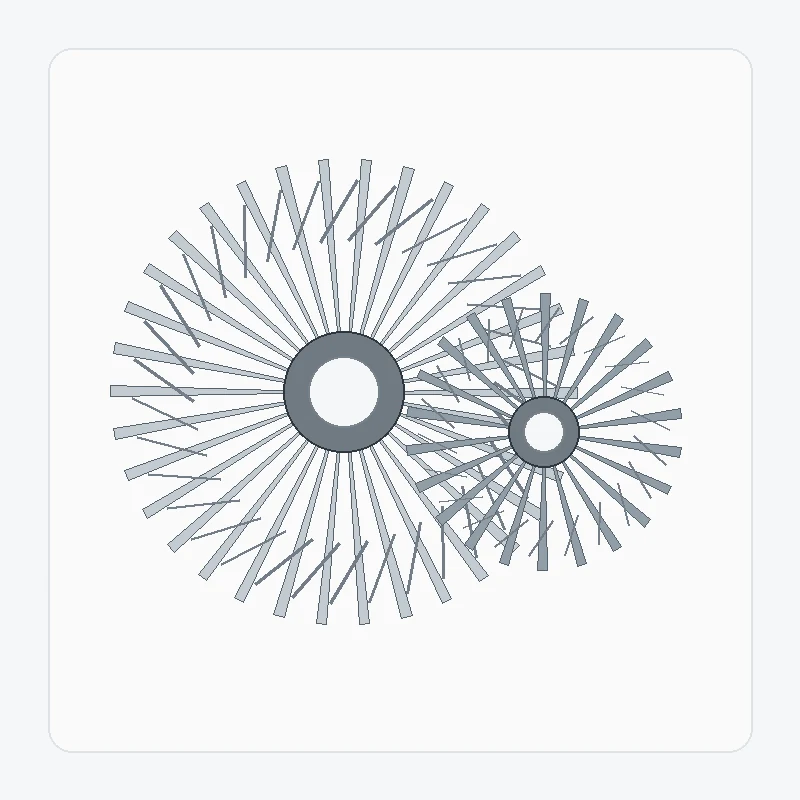
For projects where a ground tooth finish and coordinated heat-treatment/grinding route are required.
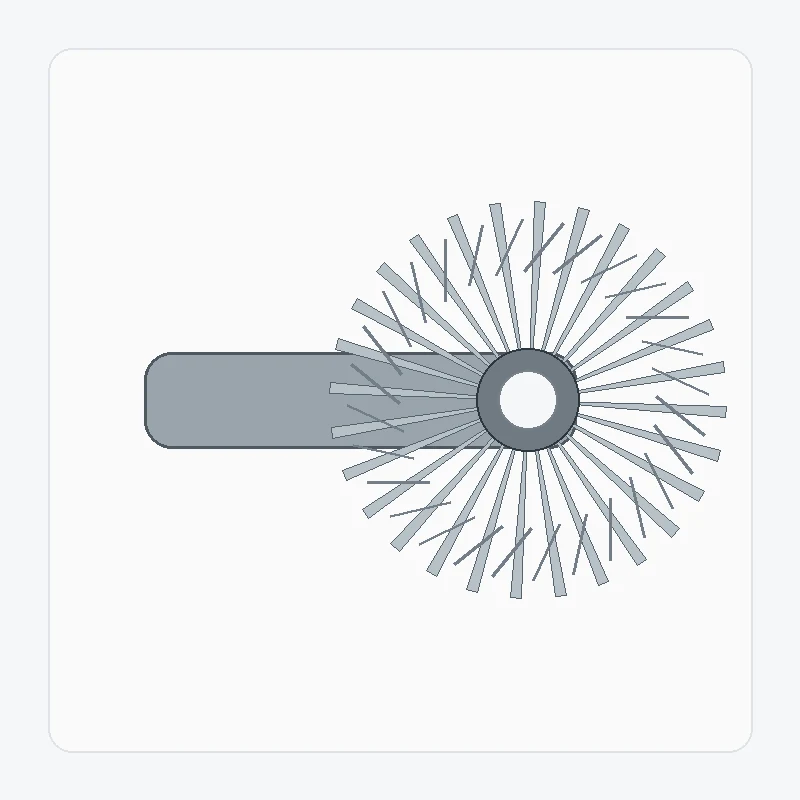
Integrated shaft and pinion components where journals, shoulders and tooth datums are reviewed together.
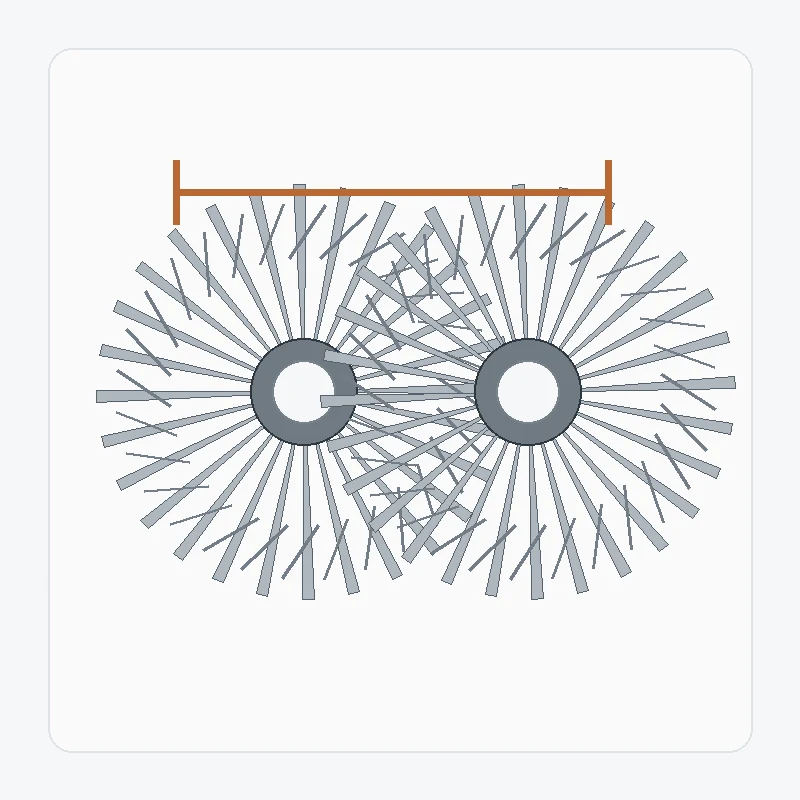
Identification-led work for worn, obsolete or undocumented pairs and existing housings.
Applications include CNC machine tools, automation, gantry equipment, lifting mechanisms, precision machinery and industrial gearboxes. The application page is used to capture duty and integration conditions; it does not replace the product drawing.
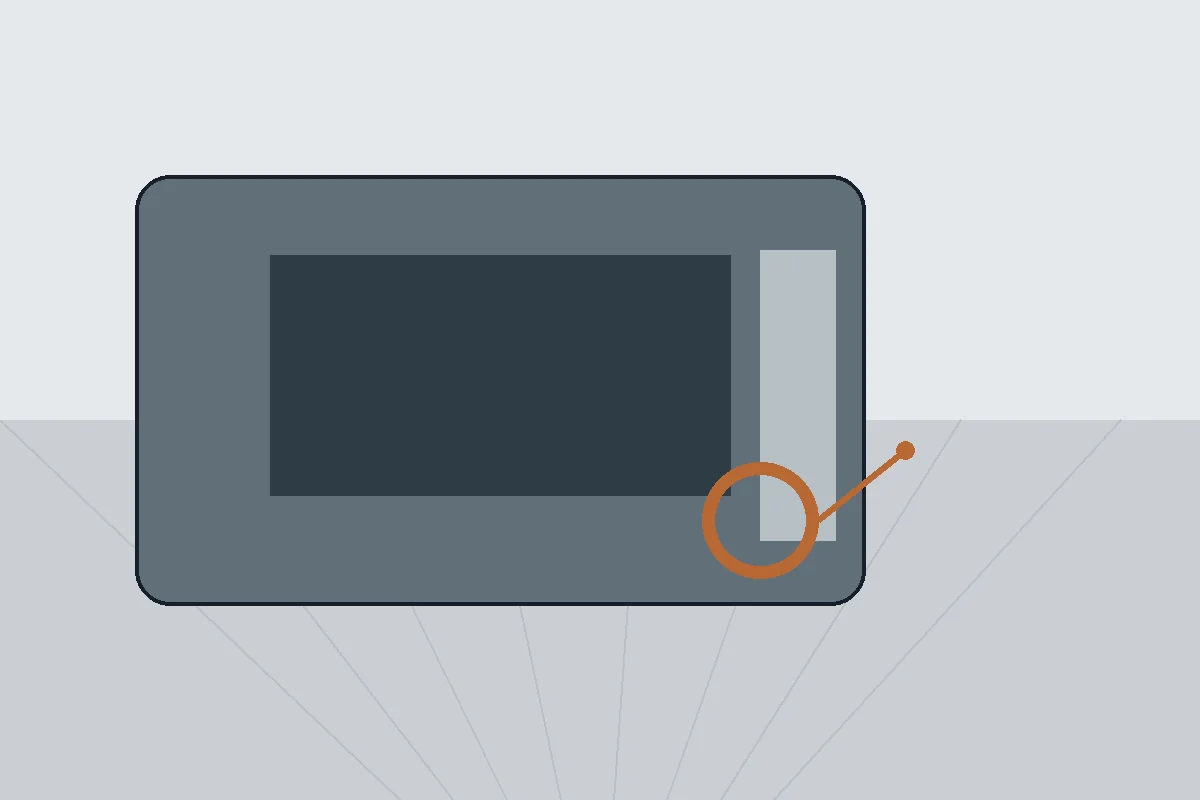
Кутові приводи та механізми позиціонування, де важливі жорсткість кріплення та люфт.
Інструкція із застосування →
Компактні механізми з перехресними осями, що відповідають вимогам реверсивного режиму та повторюваності.
Інструкція із застосування →
Передача зі зміною напрямку навколо порталів та автоматизованого обладнання для позиціонування.
Інструкція із застосування →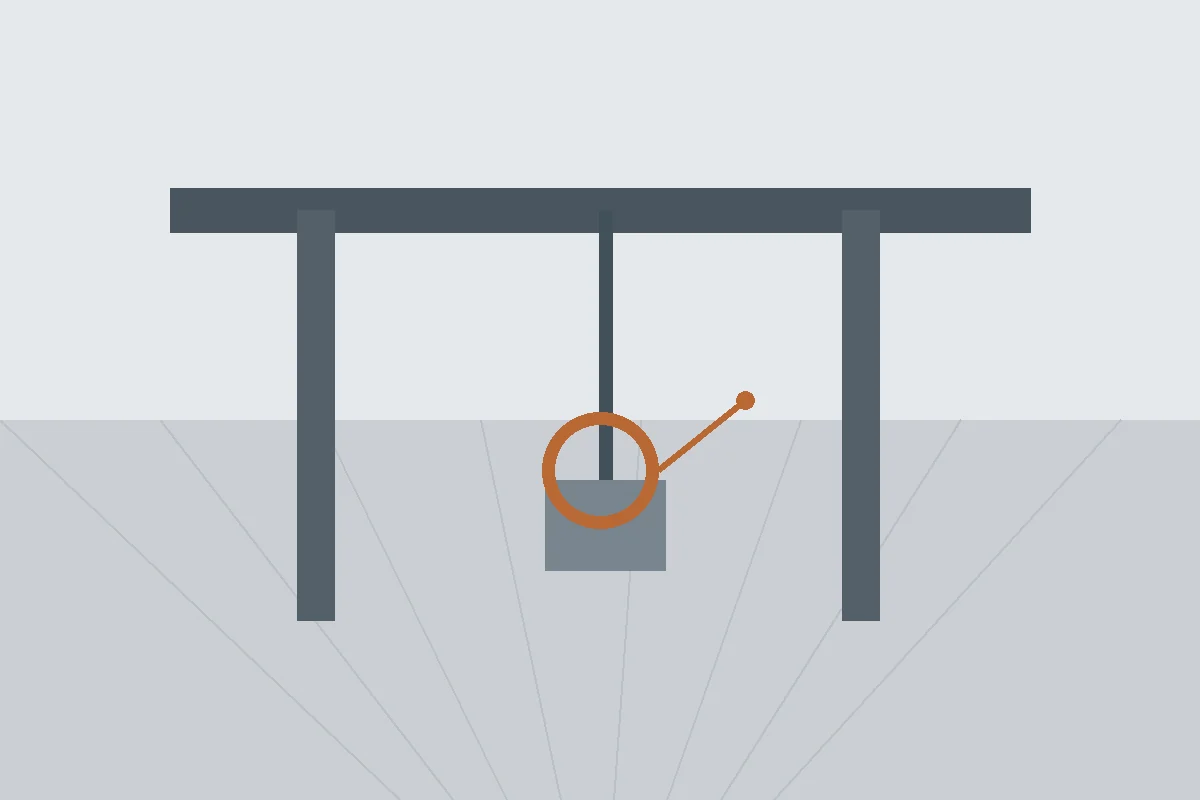
Важкі механізми, де потребують перевірки амортизаторів, систем запуску/зупинки та опорних пристроїв.
Інструкція із застосування →
Компактні прецизійні системи з контрольованими опорними точками, биттям та вимогами до контакту.
Інструкція із застосування →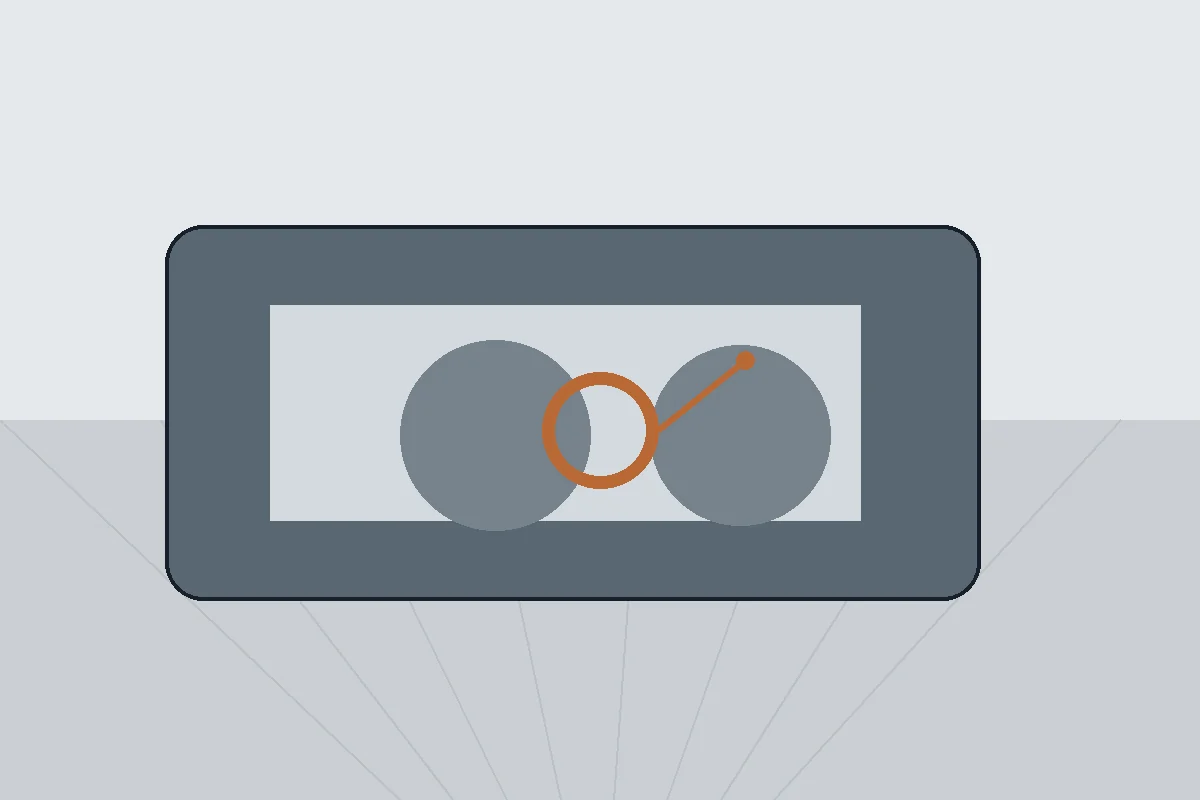
Ступені коробки передач, які спрямовують крутний момент через пересічні вали.
Інструкція із застосування →Quantities, sample needs, target timing, destination and trade terms affect the manufacturing and logistics plan. Send them with the technical data rather than after the geometry has already been quoted. This makes it easier to distinguish a prototype, a maintenance replacement and a repeat-production project.
Questions can be sent directly to [email protected]. Drawings and sample context can be attached through the RFQ form.
For request a quote planning, MOQ is flexible and depends on product form, processing route and overall order value. Suitable new projects may be reviewed for 1–5 sample pieces at sample pricing. Different models can be combined when the order total reaches about USD 1,500. Orders of 1–2 pieces can also be considered, usually at a higher unit cost because setup and inspection are spread across a very small quantity.
For request a quote delivery planning, typical windows are 10–25 working days for standard parts, 20–45 working days for customized components and 45–120 working days for project-type equipment or assemblies. EXW, FOB, CIF and DAP are commonly supported; FCA, CFR, CPT, CIP and DDP can be discussed for the specific shipment and destination.
Чим чіткіше визначені співвідношення сполучення та дані складання, тим швидше можна переглянути конфігурацію.
Мінімальний обсяг замовлення (MOQ) залежить від типу продукту, способу виробництва та загальної вартості замовлення. Для відповідних нових проектів може знадобитися від 1 до 5 зразків за зразковою ціною. Змішані моделі можна комбінувати, коли загальна сума замовлення досягне приблизно 1500 доларів США. Замовлення від 1 до 2 штук можуть бути переглянуті, хоча вартість одиниці зазвичай вища.
Типові терміни планування становлять 10–25 робочих днів для стандартних деталей, 20–45 робочих днів для компонентів на замовлення та 45–120 робочих днів для обладнання або вузлів проектного типу. Зазвичай підтримуються умови EXW, FOB, CIF та DAP; для відвантаження можна обговорити умови FCA, CFR, CPT, CIP та DDP.