Product Description
Gearbox Description
Standard Gearboxes Best price Parallel Shaft F series parallel bevel gear speed reducer
Features:
1. Modular design, compact structure. Extra-slim parallel shaft helical gearmotors are the perfect solution when space is limited
2. F series parallel shaft helical gearmotors are typically used in conveyors and materials processing applications
3. Multi-stage(2 or 3 stages) gear units for low output speed
4. Hollow output shaft with keyed connection, shrink disk, splined hollow shaft, or torque arm
5. Can be combined with other types of gearboxes (Such as R Series, UDL Series)
6. Optional mounting options (foot-mounted, flange-mounted, shaft-mounted)
Gearbox Application
|
F Series Gearbox Reducer |
|
|
Product name |
F series of the gearbox hollow shaft model F107 oil seal transmission gearbox reducer reduction |
|
Warranty |
1 years |
|
Applicable Industries |
Manufacturing Plant |
|
Weight (KG) |
50KG |
|
Customized support |
OEM |
|
Gearing Arrangement |
Helical |
|
Output Torque |
1.8-2430N.M |
|
Input Speed |
1440, 2800,960,750 |
|
Output Speed |
0.5 to 200 |
|
Place of Origin |
China |
|
Product name |
F Series Parallel Shaft Gearbox Reducer |
|
Application |
Hardened Tooth Surface |
|
Installation |
Horizontal Type |
|
Layout |
Coaxial |
|
Gear Shape |
Helical |
|
Production Capacity |
800-1500PCS /Month |
|
Type |
Gear Reduction Motor |
|
Color |
Blue,Sliver or Customized |
|
Packing |
Wooden Box |
Detailed Photos
–Modular design, wide transmission ratio coverage, fine and reasonable distribution; Force reducer
–There are 11 types of frame specifications from F.27-F.157, and the transmission power range is 0.12KW-200KW;
–The shape design is suitable for omnidirectional universal installation configuration;
–The transmission is relatively accurate, covering the range of 3.77-281.71, and can be selected as required;
–The gear is grinded by high-precision gear grinding machine, with balanced transmission, low noise, and interstage efficiency of 98%;
–The transmission ratio of the F.R.reducer is extended to 31431, which is specially designed for special low-speed occasions
Editing and broadcasting of main materials
–Box: cast iron;
–Gear: low carbon alloy steel, carbonitriding treatment (after fine grinding, keep the tooth surface hardness of 60HRC, hard layer thickness>0.5mm);
–Flat key: 45 steel, with surface hardness above 45HRC.
Surface painting:
–Cast iron: sprayed with RAL7031 grey blue paint.
Parameter editing broadcast
Power: 0.18KW~200KW
Torque: 3N · m ~ 22500N · m
F series parallel shaft reducer
F series parallel shaft reducer
Output speed: 0.06~374r/minF series parallel shaft reducer [1]
| Application: | Packing Machine, Food Process, Lift, Crane, Agitat |
|---|---|
| Hardness: | Hardened Tooth Surface |
| Installation: | Horizontal Type |
| Layout: | Parallel |
| Gear Shape: | Bevel Gear |
| Step: | Single-Step |
| Samples: |
US$ 500/Piece
1 Piece(Min.Order) | |
|---|
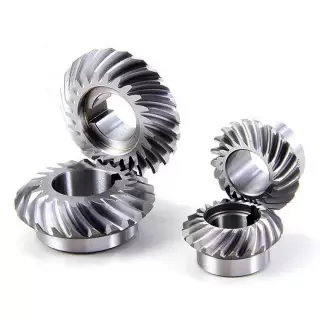
What lubrication and maintenance practices are required for spiral gears?
Spiral gears require proper lubrication and maintenance to ensure optimal performance and longevity. Here are the recommended lubrication and maintenance practices for spiral gears:
- Lubrication: Adequate lubrication is essential for smooth gear operation and to minimize wear. The lubricant forms a protective film between the gear teeth, reducing friction and preventing metal-to-metal contact. It is crucial to use a lubricant that is compatible with the gear material, operating conditions, and load requirements. Regular lubrication intervals should be followed, and the lubricant should be replenished as needed.
- Lubricant Selection: The selection of the lubricant depends on various factors such as gear speed, load, temperature, and environment. It is recommended to consult the gear manufacturer or lubrication experts to determine the most suitable lubricant for the specific application. The lubricant should have appropriate viscosity, additives, and temperature resistance to provide effective lubrication and protect against wear and corrosion.
- Lubricant Application: The lubricant should be applied evenly to the gear teeth and mating surfaces. Depending on the gear design and accessibility, lubrication can be done through oil bath immersion, oil splash, forced circulation, or grease application. It is important to follow the gear manufacturer’s guidelines or industry best practices for proper lubricant application.
- Monitoring and Inspection: Regular monitoring and inspection of the gear condition are essential for early detection of any abnormalities or signs of wear. This can include visual inspections, checking for unusual noise or vibrations, and measuring gear backlash and tooth wear. Monitoring can help identify potential issues and allow for timely maintenance or lubricant adjustments before significant damage occurs.
- Cleaning and Contaminant Control: Regular cleaning of the gears and their surrounding areas is necessary to remove dirt, debris, and contaminants that can affect gear performance and lubrication. Contaminants can accelerate wear and cause damage to the gear teeth. Proper sealing and contamination control measures should be implemented to minimize the ingress of contaminants into the gear system.
- Maintenance Schedule: Establishing a maintenance schedule is important to ensure timely lubricant replenishment, gear inspections, and necessary repairs or replacements. The maintenance schedule should consider the operating conditions, gear load, and manufacturer’s recommendations. Adhering to a well-planned maintenance schedule helps prolong the service life of spiral gears and ensures their continued performance.
By following these lubrication and maintenance practices, spiral gears can maintain their efficiency, durability, and reliability over time. Regular attention to lubrication, monitoring, and maintenance contributes to the smooth operation and extended lifespan of spiral gears in various applications.
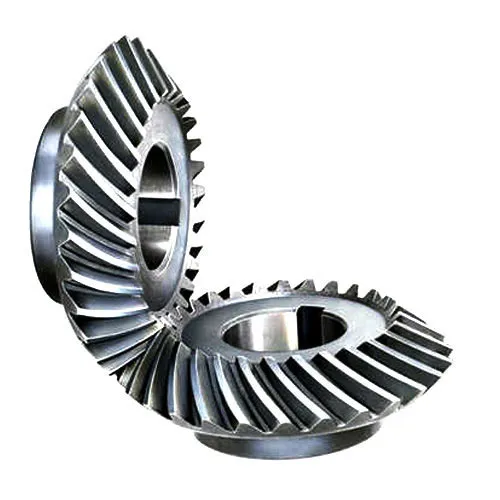
What is the impact of helix angle on spiral gear performance?
The helix angle plays a crucial role in determining the performance characteristics of spiral gears. It affects various aspects of gear operation and functionality. Here’s the impact of the helix angle on spiral gear performance:
- Load-Carrying Capacity: The helix angle influences the load-carrying capacity of spiral gears. A larger helix angle results in a more pronounced helical shape of the teeth, providing a larger contact area between the gears. This increased contact area allows spiral gears to distribute the load over more teeth, thereby increasing their load-carrying capacity. Gears with larger helix angles can handle higher loads and transmit more torque.
- Smoothness of Operation: The helix angle significantly affects the smoothness of gear operation. A larger helix angle leads to a more gradual tooth engagement as the gears mesh. This gradual engagement reduces impact and vibration during gear meshing, resulting in smoother operation and reduced noise levels. Spiral gears with larger helix angles are known for their quiet operation and enhanced gear meshing characteristics.
- Efficiency and Power Transmission: The helix angle also influences the efficiency of power transmission in spiral gears. A larger helix angle reduces sliding friction between the teeth during meshing. This reduction in friction results in improved power transmission efficiency and reduced energy losses. Gears with larger helix angles are more efficient in transmitting power, making them suitable for applications where power efficiency is a critical factor.
- Axial Thrust and Thrust Load: The helix angle affects the axial thrust and thrust load in spiral gears. Axial thrust is the force generated in the axial direction due to the helical tooth arrangement. A larger helix angle produces a higher axial thrust, while a smaller angle generates a lower axial thrust. The axial thrust must be considered and managed in gear design to ensure proper gear support and minimize the need for additional thrust bearings.
- Contact Pattern and Gear Meshing: The helix angle influences the contact pattern between the teeth during gear meshing. A larger helix angle shifts the contact pattern across the tooth face, allowing for more even distribution of the load and reduced stress concentration. The contact pattern also affects the gear meshing characteristics, such as tooth wear and noise generation. Proper selection of the helix angle ensures optimal contact pattern and improved gear meshing performance.
The choice of helix angle in spiral gears depends on the specific application requirements, including load capacity, smoothness of operation, power transmission efficiency, and axial thrust considerations. By selecting an appropriate helix angle, engineers can optimize spiral gear performance for different applications, ensuring reliable and efficient gear operation.
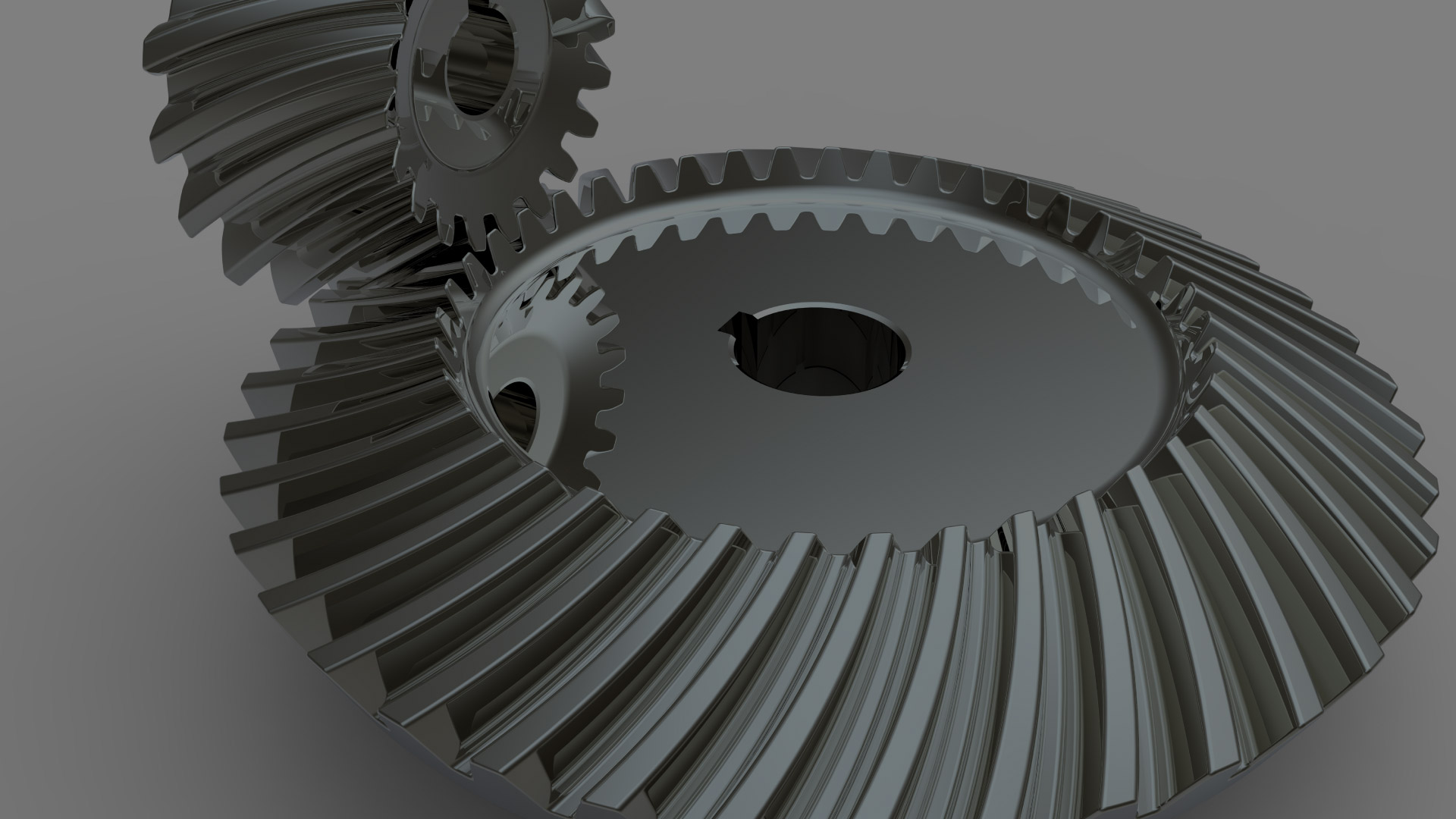
What industries commonly use spiral gears in their applications?
Spiral gears, also known as helical gears, find applications in various industries due to their unique design and advantages. Here are some industries that commonly use spiral gears:
- Automotive: Spiral gears are widely used in the automotive industry, particularly in applications such as gearboxes and automotive differentials. They provide efficient power transmission, smooth operation, and the ability to handle high torque loads.
- Industrial Machinery: Many industrial machinery applications benefit from the use of spiral gears. These include heavy-duty machinery such as mining equipment, construction machinery, and manufacturing machinery. Spiral gears provide high load capacity, efficient power transmission, and reduced noise levels.
- Power Generation: Spiral gears are utilized in power generation systems such as wind turbines, hydroelectric turbines, and steam turbines. They play a critical role in transmitting power from the turbine to the generator, providing efficient and reliable power transmission in these energy production systems.
- Aerospace and Defense: The aerospace and defense industries employ spiral gears in various applications, including aircraft engines, missile systems, and satellite mechanisms. Spiral gears offer high load capacity, efficient power transmission, and the ability to withstand demanding operating conditions.
- Machine Tools: Spiral gears are commonly used in machine tools, such as milling machines, lathes, and grinding machines. These gears contribute to the smooth and precise motion of the tools, ensuring accurate machining operations.
- Robotics and Automation: Spiral gears are utilized in robotics and automation systems for their ability to provide precise and efficient motion transmission. They are crucial components in robotic arms, automated assembly lines, and other industrial automation applications.
These are just a few examples of industries that commonly use spiral gears. However, spiral gears can be found in various other applications where the advantages of smooth operation, high load capacity, efficient power transmission, and reduced noise levels are desired.


editor by CX 2023-09-15