
Tugas mesin
Terangkan beban puncak dan berterusan, kekerapan mula/henti, peristiwa kejutan, brek, perubahan arah, sokongan aci dan akses pemeriksaan. Input ini membantu sebut harga mencerminkan mesin sebenar dan bukannya label industri.
Mekanisme pengangkat dan pengangkat memberi penekanan pada spektrum beban, permulaan dan pemberhentian, kejutan, peristiwa brek, kekakuan sokongan dan akses pemeriksaan. Tork nominal sahaja tidak mencukupi untuk menggambarkan tugas tersebut.
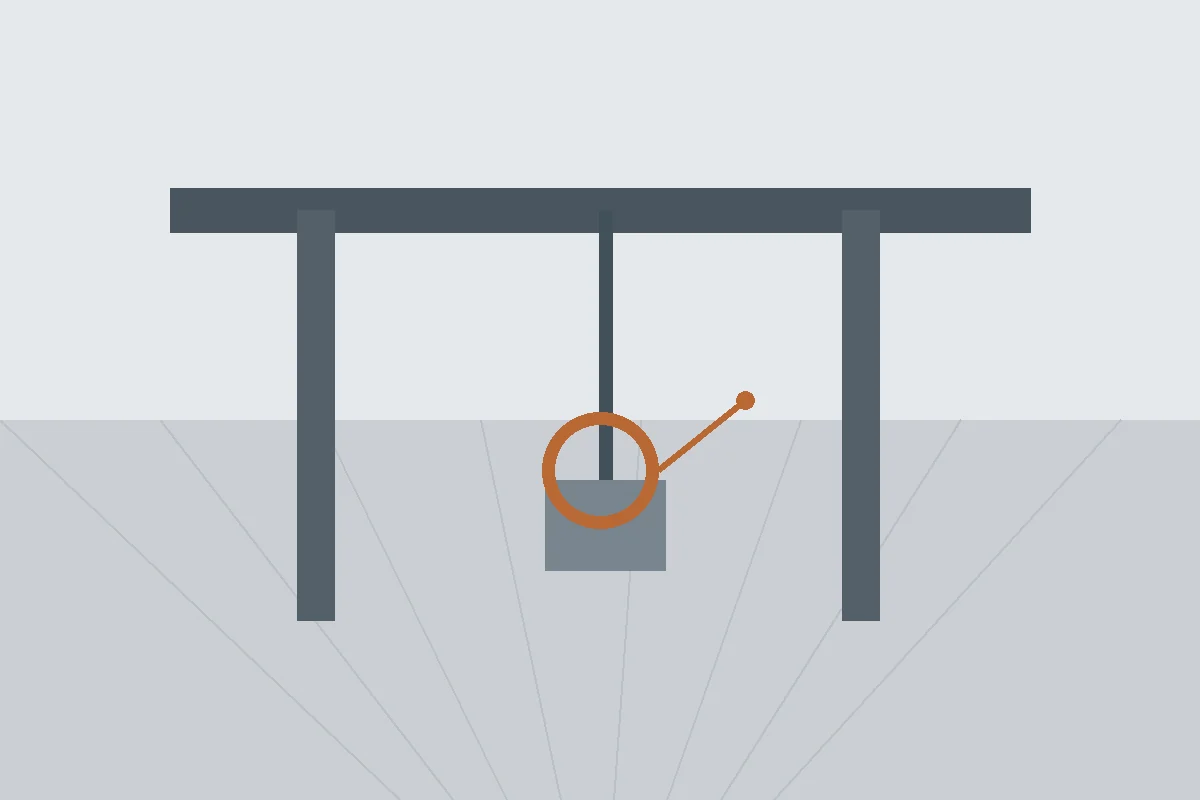
Transmisi tugas berat memerlukan gambaran yang jelas tentang bagaimana beban sampai ke pasangan gear dan bagaimana aci disokong. Susunan galas dan kekakuan perumah adalah penting kerana sentuhan gigi bergantung pada kedudukan dua anggota di bawah beban.
Untuk penggantian penyelenggaraan, tambahkan sejarah pemeriksaan, kerosakan yang boleh dilihat dan sebarang perubahan tindak balas yang diukur. Corak kerosakan boleh membantu menjelaskan masalah servis, tetapi ia tidak boleh disalin ke dalam geometri baharu seolah-olah haus adalah sebahagian daripada reka bentuk asal.
Terangkan beban puncak dan berterusan, kekerapan mula/henti, peristiwa kejutan, brek, perubahan arah, sokongan aci dan akses pemeriksaan. Input ini membantu sebut harga mencerminkan mesin sebenar dan bukannya label industri.
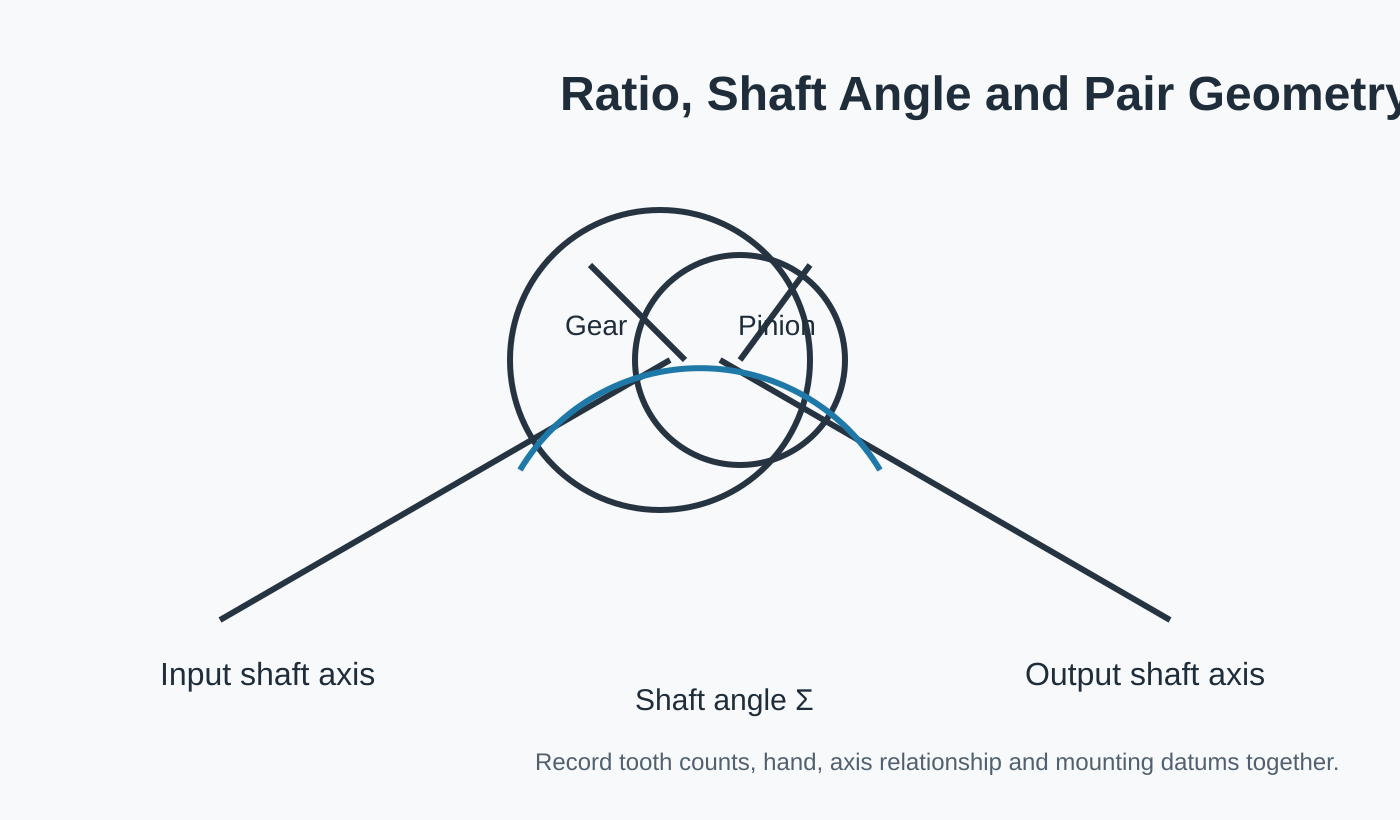
Kenal pasti kedua-dua anggota, kiraan atau nisbah gigi, tangan dan komponen pemacu yang mana.
Tunjukkan sudut aci, rujukan pemasangan, kedudukan galas dan sebarang tindak balas terkawal.
Nyatakan pemeriksaan atau semakan sentuhan yang penting untuk melepaskan bahagian bagi mesin ini.
| Kawasan semakan | Apa yang perlu disediakan | Mengapa ia penting |
|---|---|---|
| Gerakan / tugas | Beban puncak dan berterusan, kekerapan mula/henti, peristiwa kejutan, brek, perubahan arah, sokongan aci dan akses pemeriksaan | Mengasingkan penghantaran kuasa stabil daripada pengunduran, kejutan atau tugas sensitif kedudukan. |
| Pasangan gear | Identiti gear + pinion, nisbah/kiraan gigi dan jarum | Menghalang satu komponen daripada disemak tanpa geometri pemadanannya. |
| Pemasangan | Susunan aci, sokongan galas, datum perumah dan tindak balas sasaran | Menyambungkan bahagian yang dihasilkan kepada kedudukan yang akan dipegangnya dalam pemasangan. |
| Alam Sekitar | Konteks pelinciran, suhu dan pencemaran | Menyokong semakan bahan praktikal, kemasan dan servis tanpa mereka-reka dakwaan peringkat mesin. |
| Pemeriksaan | Toleransi lukisan, kemasan gigi dan rekod yang diperlukan | Menentukan apa yang akan digunakan oleh pembeli untuk menerima konfigurasi yang dipesan. |
Nilai "tork maksimum" tunggal boleh menyembunyikan permulaan yang kerap, peristiwa hentaman atau beban pengunduran. Hantar spektrum beban dan kitaran tugas apabila tersedia dan kenal pasti sama ada pasangan tersebut terdedah kepada beban lampau atau peristiwa kecemasan yang mesti dipertimbangkan oleh reka bentuk.
Pasangan gear serong lingkaran tugas berat atau tersuai adalah halaman permulaan yang sesuai. Kemasan gigi kisar hendaklah dinyatakan hanya apabila keperluan lukisan atau prestasi memerlukan laluan pembuatan tersebut.
Jika mekanisme pengangkat atau penaik masih mempunyai geometri terbuka atau input tugas, tandakan item tersebut untuk semakan. Nilai yang tidak diketahui secara eksplisit adalah lebih selamat daripada mengisi lukisan dengan nilai piawai yang diandaikan.
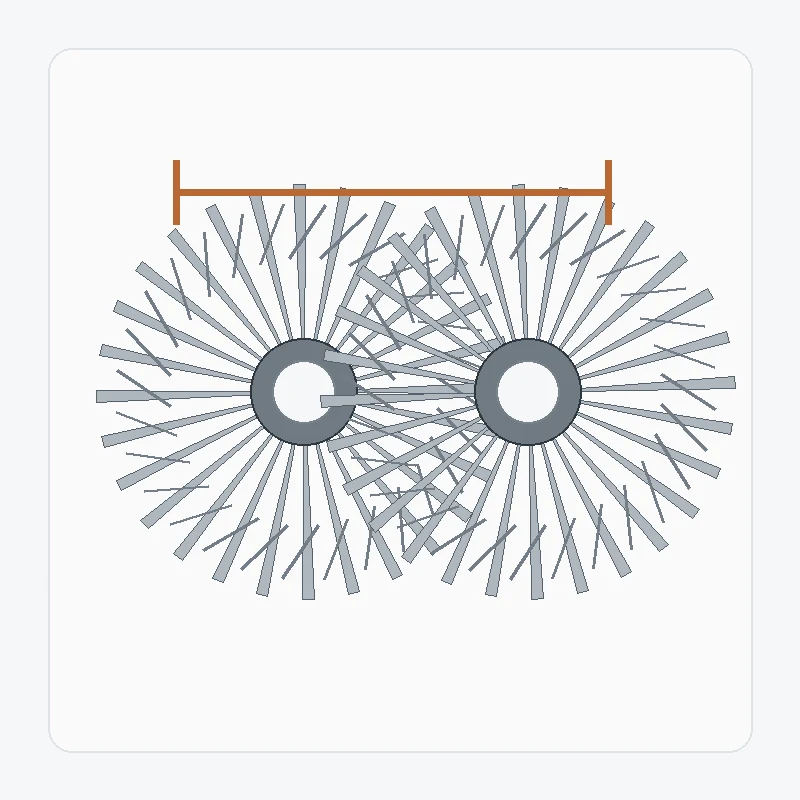
Kerja penggantian gear serong lingkaran bermula dengan memisahkan maklumat reka bentuk asal daripada haus servis. Gigi yang rosak, lubang yang herot atau corak sentuhan yang beralih boleh menggambarkan kegagalan tersebut, tetapi…
Lihat konfigurasi →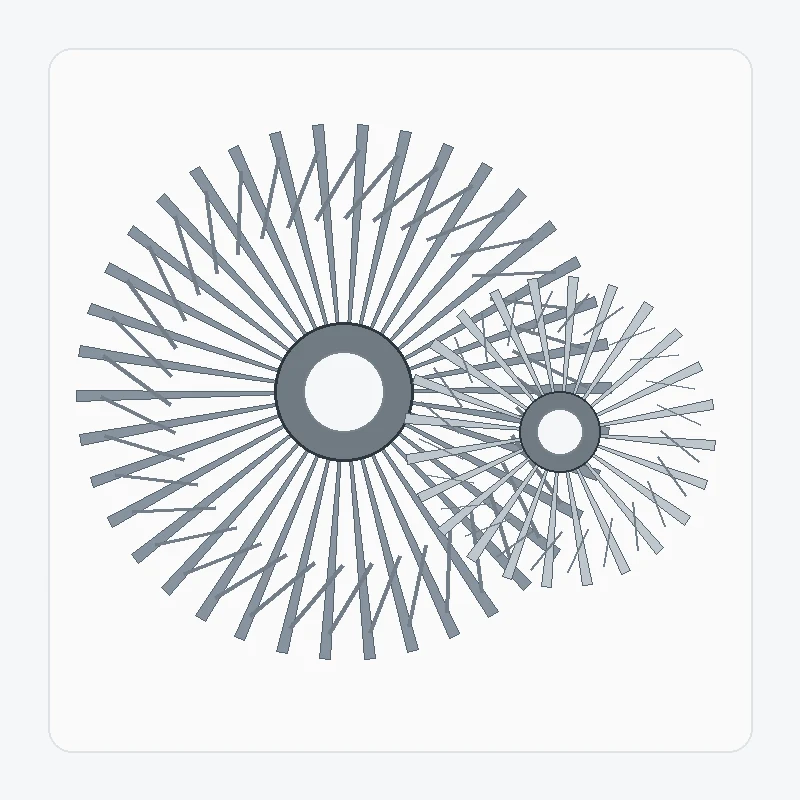
Pasangan gear serong lingkaran tugas berat harus dikaji semula dari keseluruhan tugas operasi. Beban puncak, beban berterusan, peristiwa kejutan, pembalikan, sokongan galas dan pelinciran semuanya boleh menjadi penting…
Lihat konfigurasi →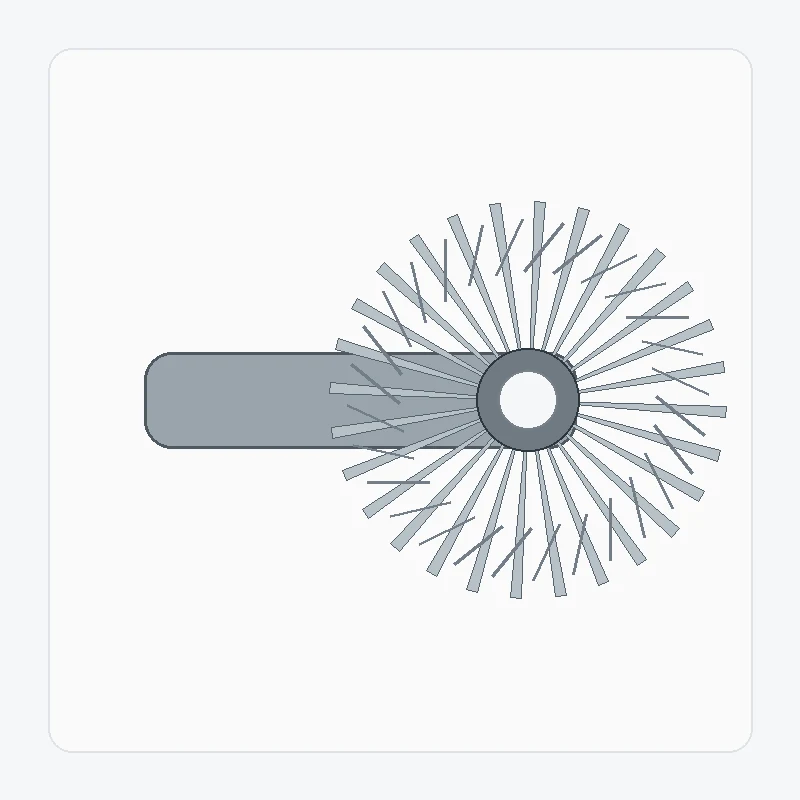
Mengintegrasikan pinion serong lingkaran dengan aci mengurangkan sambungan berasingan, tetapi ia menjadikan jurnal galas, bahu, splin, ulir dan datum gigi sebagai sebahagian daripada satu masalah pembuatan.…
Lihat konfigurasi →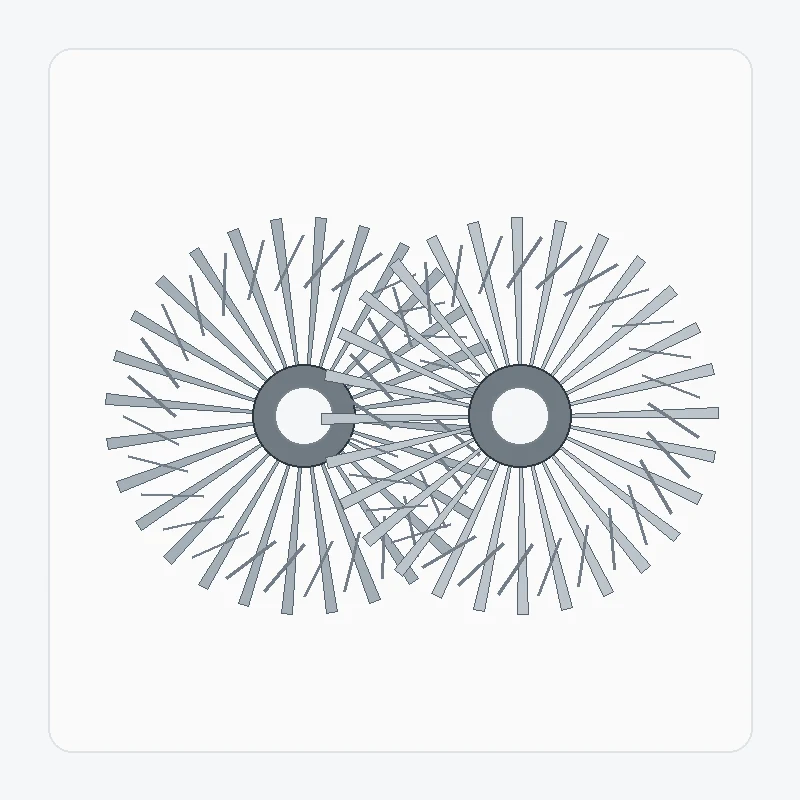
Set gear miter lingkaran menggunakan kiraan gigi yang sama untuk menghantar gerakan antara aci yang bersilang tanpa mengubah nisbah kelajuan secara sengaja. Nisbah yang sama memudahkan satu bahagian pemilihan,…
Lihat konfigurasi →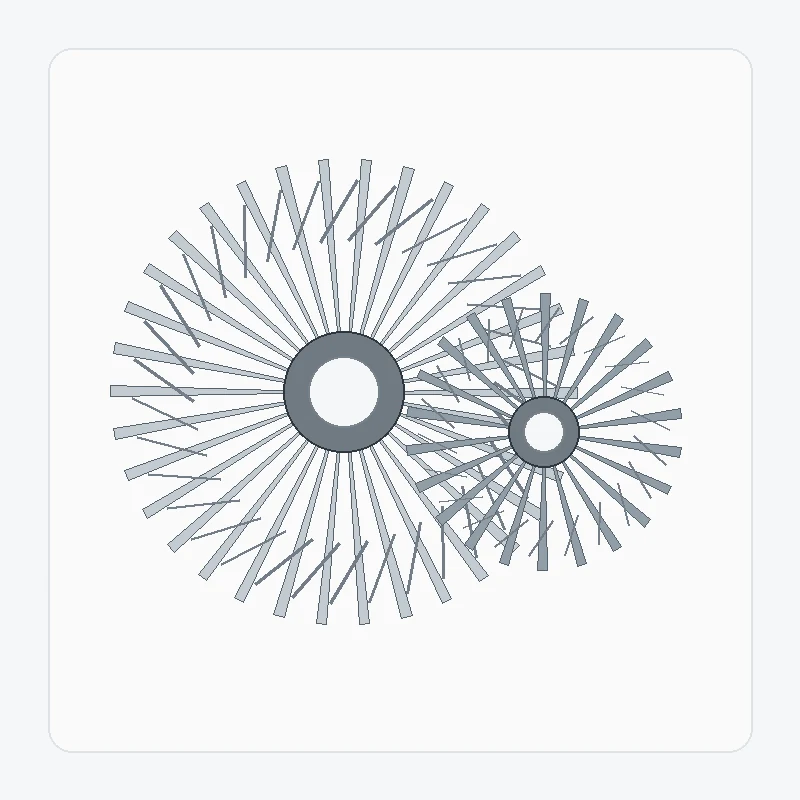
Gear serong lingkaran tanah memerlukan lebih daripada sekadar menambah operasi pengisaran pada gear biasa. Skema datum, geometri pra-pengisaran, rawatan haba, elaun pengisaran dan pemeriksaan akhir telah…
Lihat konfigurasi →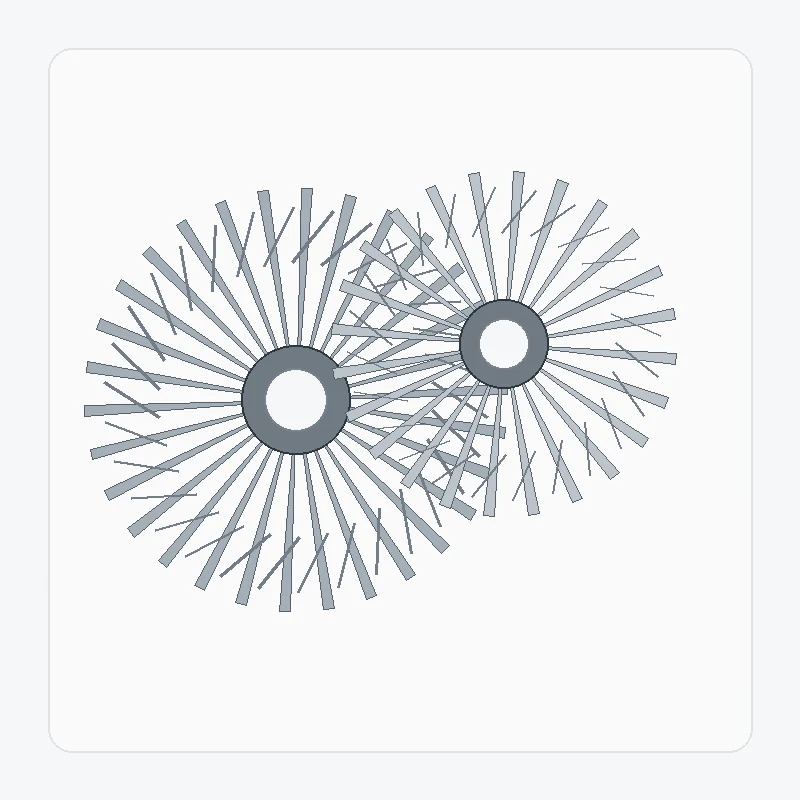
Set gear serong lingkaran tersuai dibina berdasarkan geometri khusus projek dan bukannya jadual stok awam. Takrifan berguna merangkumi kedua-dua ahli pasangan, paksi…
Lihat konfigurasi →Apabila lukisan mekanisme pengangkatan atau penaik mengawal bahan atau rawatan haba, sertakan keperluan yang tepat. Jika pilihan tersebut masih terbuka, huraikan tugas dan biarkan pemilihan bahan/proses untuk semakan.
Gambar mekanisme pengangkatan atau penaik membantu menentukan orientasi dan keadaan, tetapi ia tidak menentukan geometri gigi atau datum pelekap. Tambahkan anggota pemadanan, lukis data dan ukuran yang diambil daripada rujukan pemasangan terkawal.
Untuk mekanisme pengangkatan atau penaik, hantarkan maklumat pemasangan yang mengawal hubungan aci, datum pemasangan dan antara muka. Butiran mesin yang tidak berkaitan boleh diabaikan apabila ia tidak memberi kesan kepada pemilihan atau pemeriksaan gear.
Untuk mekanisme pengangkatan atau penaik, asingkan kuantiti prototaip/sampel daripada permintaan berulang yang dijangkakan. Ini memastikan perancangan perkakasan, pemeriksaan dan pengeluaran terikat dengan peringkat pembelian sebenar.
Lebih jelas hubungan pasangan dan datum pemasangan ditakrifkan, lebih cepat konfigurasi dapat disemak.
MOQ adalah fleksibel mengikut jenis produk, laluan pembuatan dan jumlah nilai pesanan. Projek baharu yang sesuai boleh meminta 1–5 sampel barang pada harga sampel. Model campuran boleh digabungkan apabila jumlah pesanan mencapai kira-kira USD 1,500. Pesanan 1–2 barang boleh disemak, walaupun kos seunit biasanya lebih tinggi.
Tempoh perancangan biasa ialah 10–25 hari bekerja untuk bahagian standard, 20–45 hari bekerja untuk komponen tersuai dan 45–120 hari bekerja untuk peralatan atau pemasangan jenis projek. EXW, FOB, CIF dan DAP biasanya disokong; FCA, CFR, CPT, CIP dan DDP boleh dibincangkan untuk penghantaran.