Орнату қашықтығы және кері серпіліс беріліс геометриясын корпусқа, мойынтіректерге және білік жинағына қосады. Олар ұқсас көрінетін берілістен көшіруге болатын тәуелсіз сандар емес. Пайдалы сұрау әрбір мәннің қай жерде өлшенетінін және жұпты сол қалыпта қандай құрастыру беттері ұстап тұратынын анықтайды.
Орнату қашықтығы нақты деректерді қажет етеді
Мән тек анықтамалық бет, иық, ось немесе корпус ерекшелігі анықталған кезде ғана пайдалы болады. Сол деректерді сызбаға қойыңыз. Егер жоба ауыстыру болса, ескі берілістер мен мойынтіректер алынып тасталмас бұрын құрастыруды жазып алыңыз.
Бірнеше бетті сілтеме ретінде пайдалануға болатын кезде, суппортпен жету оңай бетті емес, қызмет көрсету кезіндегі позицияны басқаратын бетті анықтаңыз.
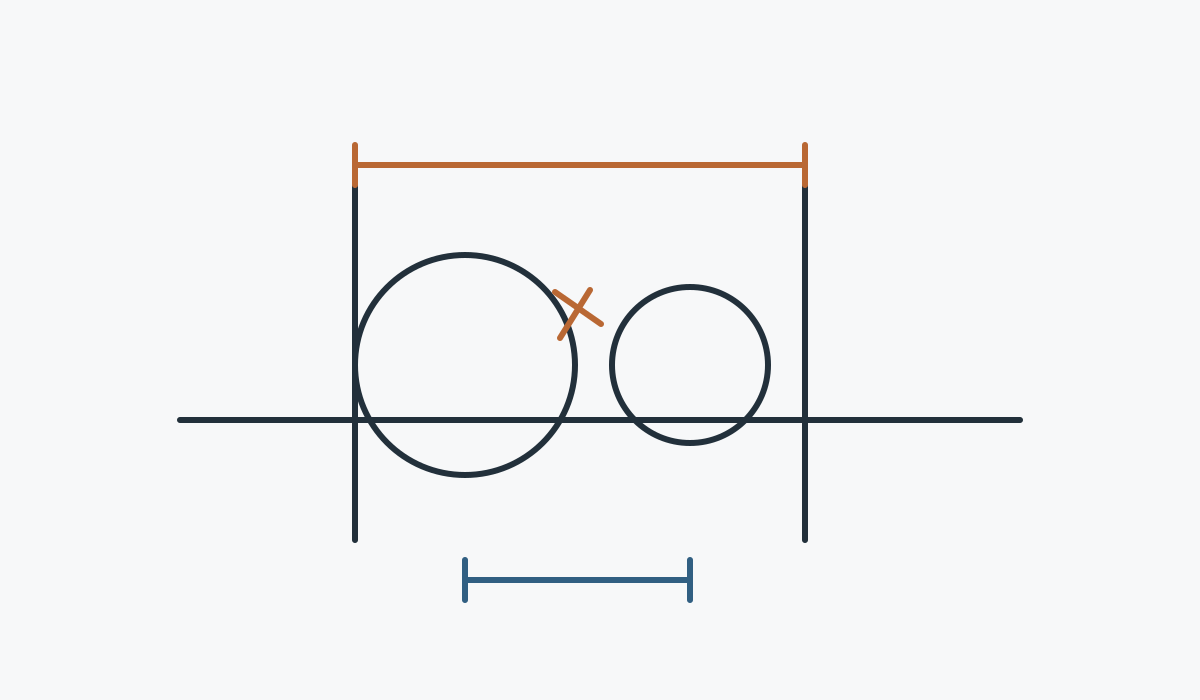
Неліктен кері реакция жиналыстың нәтижесі болып табылады
Кері серпіліс беріліс геометриясына және екі элементтің орналасуына байланысты болады. Мойынтірек орындықтары, төсеніштер, иықтар және корпустың төзімділіктері барлығы ықпал етеді. Егер машина кері серпіліс диапазонын көрсетсе, сол талапты қосып, оның тексерілетін құрастыру шартын түсіндіріңіз.
Дәлдік немесе кері айналдыру механизмдері үшін сатып алушы кері айналдырудан кейін қайталануға да мән беруі мүмкін. Мұны «минималды кері әсер» туралы анық емес сұраныстың ішінде жасырынудың орнына қолданба талабы ретінде сипаттау керек.
Ауыстыру жұмыстары кезінде нені өлшеу керек
| Өлшеу аймағы | Ұсынылған жазба |
|---|---|
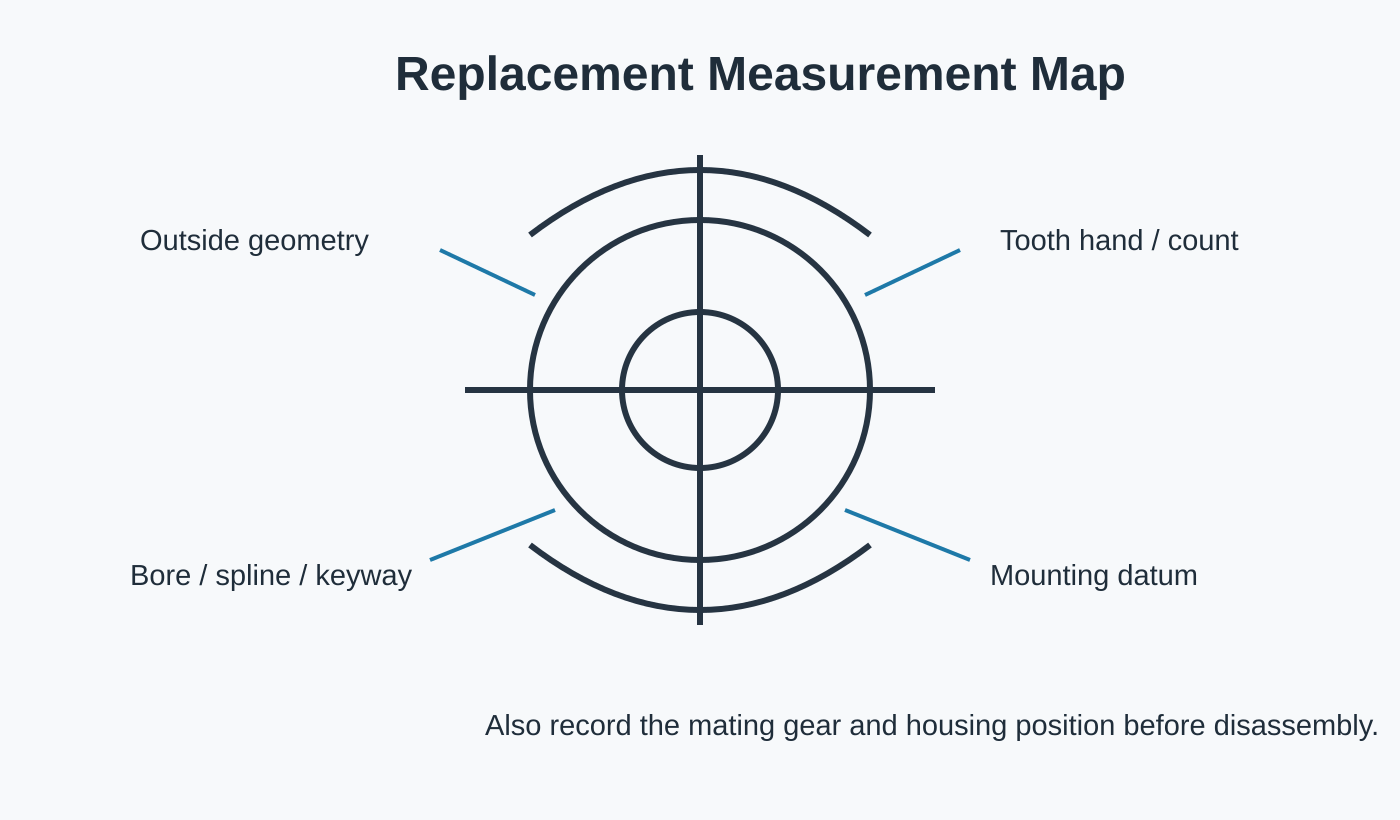
| Беріліс орны | Анықталған бекіту бетінен/иығынан тиісті беріліс қорабына дейінгі қашықтық |
| Білік тірегі | Осьтік орналасуды орнататын мойынтіректер, иықтар және кез келген төсемдер |
| Жұптастыру жабдықтары | Тіс саны, қол, тесік/білік интерфейсі және орнатылған бағыт |
| Кері соққы | Өлшенген диапазон және оны алу үшін қолданылатын әдіс/жинақтау күйі |
| Тұрғын үй | Білік немесе мойынтірек сілтемелері арасындағы маңызды қашықтықтар |
| Жағдай | Өлшенген орынды өзгерткен болуы мүмкін тозу, босаңсу немесе зақымдану |
Тозуды негіз ретінде пайдаланбаңыз
Тозған тарту беті, зақымдалған мойынтірек немесе босаған білік берілістің көрінетін орнын өзгертуі мүмкін. Жиынтықтың жағдайын ескеріп, «табылғандай» өлшемдерді мақсатты жобалау сілтемесінен бөліңіз. Бұрынғы сызбалар немесе зақымдалмаған түйіспелі элемент бастапқы орнын қалпына келтіруге көмектесе алады.
Түсініксіздікті азайтатын RFQ тұжырымдамасы
Орнату қашықтығын оның сілтемесімен, кері иілу нысанасын оның тексеру жағдайымен және корпус/мойынтірек орналасуы өзгеріссіз қалатынын көрсетіңіз. Егер реттеу епелек немесе басқа механизм арқылы мүмкін болса, қолжетімді диапазонды сипаттаңыз. Бұл ақпарат жеткізушіге беріліс геометриясы бір бекітілген позицияға жетуі керек пе немесе реттелетін жүйеге орнатылуы керек пе екенін түсінуге мүмкіндік береді.
Бекітілген және реттелетін бекіту
Кейбір жинақтар бекітілген иықтары мен мойынтіректер орындықтары бар жұпты табады; басқалары бекіткіштерді немесе басқа реттеу әдісін пайдаланады. Қандай орналастыруыңыз бар екенін көрсетіңіз. Бекітілген корпуста ауыстыру геометриясы дұрыс емес позицияны өтеу үшін аз еркіндікке ие. Реттелетін жинақта қолжетімді диапазонды құжаттау керек, осылайша орнату процедурасы мен кері соққы нысанасы бірге түсініледі.
Белгісіз корпус өлшемін кең ауқымды кері соққы диапазонының артына жасырмаңыз. Жеткізушіге әлі де мақсатты орынды анықтайтын геометрия қажет.
Сатып алушылар жиі қоятын сұрақтар
Орнатқаннан кейін кері серпімді орнатуға бола ма?
Кейде құрастыру реттеу әдісін ұсынады, бірақ бұл нақты корпус пен мойынтірек орналасуына байланысты. Қолжетімді реттеуді және мақсатты тексеру жағдайын көрсетіңіз.
Орнату қашықтығы берілістің жалпы ұзындығымен бірдей ме?
Жоқ. Орнату қашықтығы белгілі бір беріліс/жинақтау сілтемесіне байланысты. Жалпы ұзындық қаптама үшін пайдалы болуы мүмкін, бірақ ол өздігінен жұмыс орнын анықтамайды.
Мойынтіректерді ауыстырмас бұрын тозған жинақты өлшеуім керек пе?
Иә. Алдымен табылған жағдайды жазып алыңыз, содан кейін бастапқы және түзетілген позициялар араласпауы үшін мойынтіректің немесе епелектің кез келген өзгерістерін бөлек жазып алыңыз.
Беріліс жұбын, тарту сызбасын және жұмысты бір сұрау бойынша жіберіңіз.
Жұптасу қатынасы мен құрастыру деректері неғұрлым анық анықталса, конфигурацияны соғұрлым тезірек қарауға болады.
Тапсырыс беру және жеткізу бойынша нұсқаулық
MOQ өнім түріне, өндіріс бағытына және тапсырыстың жалпы құнына байланысты икемді. Жаңа жобалар үлгі бағасы бойынша 1-5 үлгі дана сұрауы мүмкін. Тапсырыстың жалпы сомасы шамамен 1500 АҚШ долларына жеткенде аралас модельдерді біріктіруге болады. 1-2 дана тапсырыстарды қайта қарауға болады, бірақ бірлік құны әдетте жоғары болады.
Әдеттегі жоспарлау мерзімдері стандартты бөлшектер үшін 10-25 жұмыс күнін, тапсырыс бойынша жасалған компоненттер үшін 20-45 жұмыс күнін және жобалық типтегі жабдықтар немесе жинақтар үшін 45-120 жұмыс күнін құрайды. EXW, FOB, CIF және DAP әдетте қолдау көрсетіледі; жеткізу үшін FCA, CFR, CPT, CIP және DDP талқылануы мүмкін.